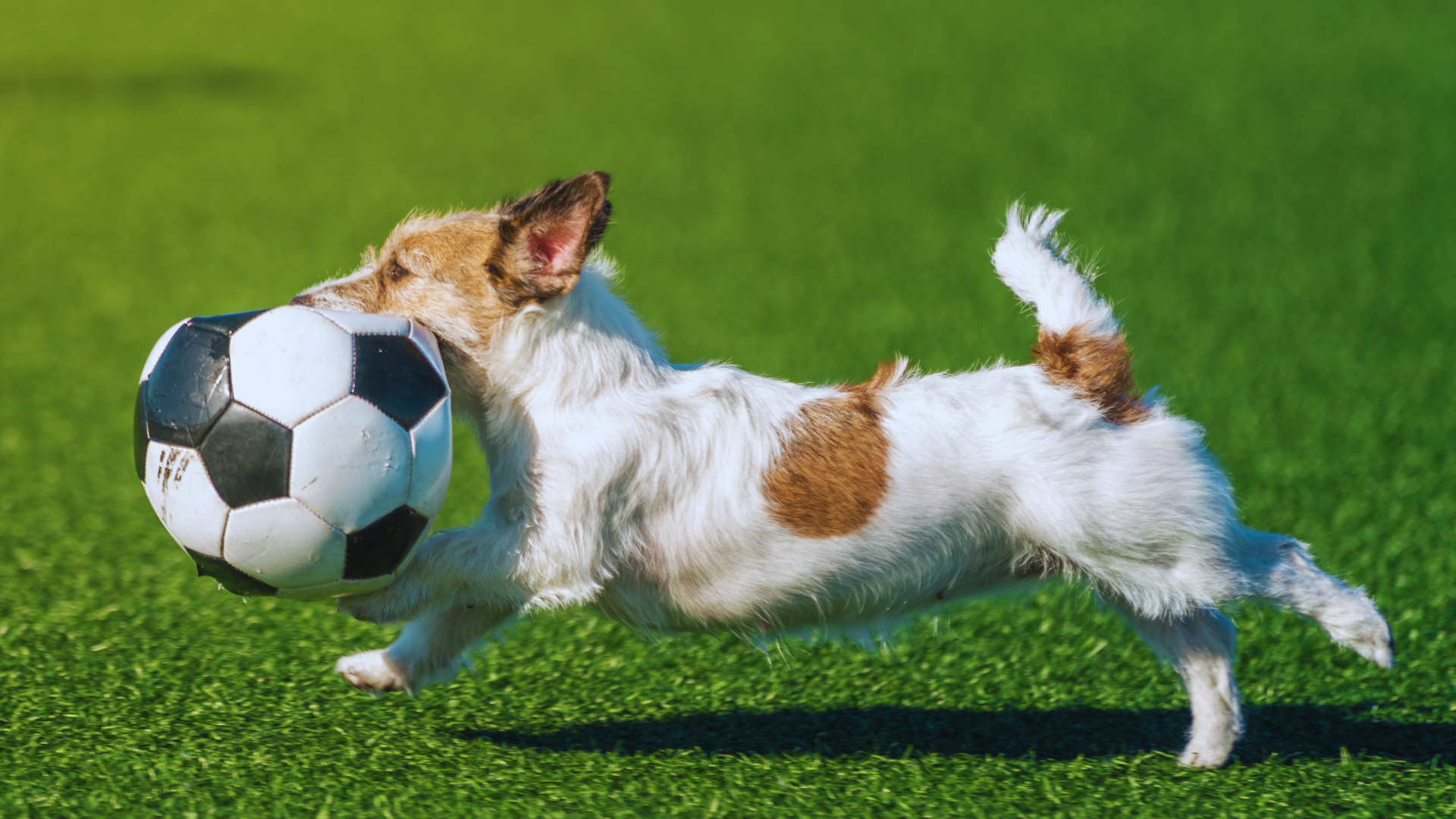
Keeping pets active is essential for their health and happiness. Providing regular playtime, engaging toys, and opportunities for exercise helps maintain their physical and mental well-being.
Different pets require different types of activities, but consistent movement is key. Understanding your pet’s needs allows you to create a routine that keeps them motivated and fit.
This guide will explore simple, effective ways to encourage activity in your pet’s daily life, making it easier to support their overall health.
Understanding Your Pet’s Activity Needs
Different pets have distinct exercise requirements that depend on their species, age, and physical condition. Recognising behavioural cues helps address inactivity and maintain their well-being.
Recognising Species-Specific Requirements
Dogs generally need more physical exercise than cats and often require daily walks combined with play. High-energy breeds like Border Collies or Huskies need prolonged, vigorous activity, while smaller or less active breeds require moderate exercise.
Cats benefit from short, frequent bouts of play targeting their hunting instincts. Toys that mimic prey, such as feather wands or laser pointers, stimulate activity effectively.
Small mammals like rabbits or guinea pigs require safe space to hop or explore, but do not demand structured exercise routines. Birds often need flight time outside the cage or climbing opportunities.
Identifying Signs of Boredom or Inactivity
Common signs of boredom include destructive behaviours, excessive sleeping, or overeating. Pets may become restless or vocal without proper activity.
In dogs, pacing, chewing furniture, or digging can indicate unmet exercise needs. Cats may overgroom or knock objects off surfaces.
Physical inactivity can lead to weight gain and decreased mobility. Observing changes in daily habits or energy levels is crucial to adjusting activity routines promptly.
Considering Age and Health Factors
Puppies and kittens require frequent but short activity sessions to avoid overexertion. Senior pets benefit from low-impact exercise like gentle walks or slow play to maintain joint health.
Chronic conditions such as arthritis, heart disease, or obesity limit activity tolerance. Veterinarian guidance is essential to tailor exercise safely.
Adjust routines when pets show signs of fatigue, laboured breathing, or discomfort. Proper monitoring supports long-term mobility and quality of life.
Physical Exercise Techniques
Keeping pets physically active involves structured outdoor routines, engaging games, and using appropriate toys that promote movement safely and effectively. Consistent activity tailored to your pet’s needs improves their health and prevents boredom.
Daily Walks and Outdoor Activities
Daily walks offer controlled exercise that supports cardiovascular health, muscle maintenance, and mental stimulation. For dogs, varied routes and exploring different scents can prevent monotony and encourage curiosity. Timing matters—walk during cooler parts of the day in summer and avoid icy conditions in winter.
Outdoor activities can include fetch, hiking, or agility training. These enhance endurance and strength while building trust between you and your pet. Adjust the length and intensity based on age, breed, and physical condition to avoid overexertion.
Interactive Games for Indoor and Outdoor Spaces
Games like hide-and-seek, tug-of-war, and fetch hold a pet’s attention and provide bursts of energy release. Indoor games work well when outdoor space is limited.
Rotate different games regularly to maintain interest. Use treats or praise to reinforce positive play. Structured sessions lasting 10-20 minutes a few times a day help maintain routine without overwhelming your pet.
Using Safe Toys for Exercise
Safe toys encourage active play while preventing injury. Choose toys made from non-toxic materials and free of small detachable parts for dogs and cats prone to chewing.
Types of exercise toys include:
- Balls for fetch
- Rope toys to tug
- Laser pointers for cats
- Puzzle toys that combine mental and physical activity
Inspect toys regularly for wear and replace them as needed to ensure ongoing safety during play.
Mental Stimulation Strategies
Keeping pets mentally active involves using tools and activities that challenge their problem-solving skills and encourage natural behaviours. These approaches can prevent boredom and improve overall well-being.
Puzzle Toys and Treat Dispensers
Puzzle toys and treat dispensers are effective for engaging pets’ minds while rewarding them. These toys require animals to figure out mechanisms, such as sliding panels or pop-up compartments, to access hidden treats. This process stimulates cognitive function and keeps pets busy for extended periods.
Choose puzzle toys with adjustable difficulty to match your pet’s skill level. For dogs, interactive treat balls or cube puzzles work well. Cats respond to puzzle feeders designed to mimic hunting behaviour. Always supervise initially to ensure safety and prevent frustration.
Training Sessions for Mental Engagement
Training sessions provide structured mental exercise by encouraging pets to learn commands, tricks, or tasks. Consistent short sessions of 10-15 minutes increase concentration and retention. Use positive reinforcement techniques like treats or praise to motivate.
Introduce new commands gradually and reinforce previous lessons regularly. Training can include obedience commands, agility courses, or scent work. This method not only improves mental sharpness but also strengthens the pet-owner bond.
Environmental Enrichment Ideas
Environmental enrichment involves modifying a pet’s surroundings to encourage exploration and problem-solving. Rotating toys, introducing new textures, or hiding treats in different locations promotes curiosity.
Create sensory experiences, such as safe plants for cats to sniff or varied floor surfaces like rugs and mats. For dogs, setting up obstacle courses or scavenger hunts indoors or outside adds complexity to daily routines. Changing environments regularly engages pets mentally without additional training.
Integrating Social Interaction
Social interaction for pets keeps them physically active and mentally stimulated. Engaging with other animals and humans helps prevent boredom and encourages regular movement. Structured environments and positive relationships reinforce these benefits.
Playdates with Other Pets
Organising playdates provides pets with the opportunity to exercise in a controlled, fun setting. Matching pets by size, energy level, and temperament reduces stress and prevents injury. Short, supervised sessions allow them to explore social behaviour safely.
During playdates, pets can engage in chasing, wrestling, or cooperative games that promote endurance and agility. Owners should watch for signs of discomfort or aggression to intervene early. Rotating playmates broadens social skills and maintains interest over time.
Pet Daycare and Group Activities
Pet daycare centres offer structured environments where pets socialise under professional supervision. These settings provide consistent physical challenges, such as obstacle courses or group walks. Regular attendance establishes routine exercise habits.
Group activities like agility classes or obedience training encourage pets to use their muscles and minds. Interaction with multiple animals in these settings promotes adaptability and confidence. Daycare also supports working owners by ensuring pets receive daily activity.
Building Positive Owner-Pet Bonds
Active pets thrive on meaningful interaction with their owners. Daily routines incorporating play, training, and walking strengthen this bond. Positive reinforcement during activities increases motivation and enjoyment.
Owners should observe and respond to their pet’s energy and mood. Offering rewards during physical activity encourages participation. Consistent engagement creates trust, which supports long-term health and activity levels.
Customising Activity Plans
Activity plans should match your pet’s individual health, age, and environment. Tailoring exercises helps maintain their well-being and prevents injury.
Adjusting Activities for Special Needs Pets
Special needs pets require modifications based on mobility, chronic conditions, or sensory impairments. For dogs with arthritis, low-impact activities like swimming or gentle leash walks reduce joint stress.
Pets with vision or hearing loss benefit from routine exercises in familiar, obstacle-free spaces. Use scent-based toys or sound cues to engage them safely.
Older pets may need shorter, more frequent sessions instead of intense workouts. Monitor their response closely and avoid overexertion to maintain comfort.
Seasonal Adaptations for Exercise
Seasonal weather affects outdoor activities. In hot weather, schedule exercise during early mornings or late evenings to avoid heatstroke.
Winter demands shorter outings and protective gear, such as booties or coats, for cold-sensitive pets. Indoor activities like fetch or hide-and-seek can maintain engagement.
Adjust intensity based on temperature and surface conditions. Always ensure your pet has access to fresh water and a safe space to rest after activity.
Monitoring and Maintaining Motivation
Keeping pets active requires consistent attention to their progress and maintaining their enthusiasm for exercise. Measuring improvements and offering positive reinforcement are key components.
Tracking Progress and Setting Goals
Start by noting your pet’s baseline activity levels using a simple log or a pet activity tracker. Record daily walks, playtime duration, or other exercises. Review this data weekly to identify patterns or plateaus.
Set clear, achievable goals based on your pet’s age, breed, and health. For example, increase walk time by 5 minutes every week or add another play session. Adjust goals as needed to prevent overexertion or boredom.
Visual tools like charts or calendars can help track progress visually. This ensures motivation remains high and allows for quick adjustments.
Recognising and Rewarding Activity
Immediate rewards reinforce your pet’s motivation. Use treats, praise, or playtime following physical activity. Timing is crucial—reward as soon as possible after exertion.
Vary rewards to maintain interest; rotate toys or introduce new treats. Avoid overfeeding by balancing treats with normal diet portions.
Consistent recognition builds a positive association with activity. Use verbal cues or clicker training to mark successful behaviours, encouraging repetition without relying solely on food rewards.
Common Challenges and Solutions
Keeping pets active can be difficult due to environmental factors and living situations. Identifying practical ways to adapt exercise routines helps maintain their physical and mental health.
Overcoming Weather Limitations
Bad weather often restricts outdoor activities, especially for dogs and active cats. To counter this, indoor exercises like fetch in hallways or playing with puzzle toys can keep pets moving.
Setting up a safe, clutter-free space indoors for supervised play is essential. In colder climates, consider doggy sweaters or booties to allow brief outdoor walks when the weather permits.
Indoor treadmills designed for pets provide regular exercise during extreme weather. For cats, interactive laser pointers or feather wands stimulate movement without needing outdoor space.
Managing Limited Space
Small living areas can limit traditional play options. Use vertical space by installing cat trees or shelves, encouraging climbing and jumping to burn energy.
Rotate toys regularly to keep engagement high without overcrowding the area. Compact exercise tools like laser toys, small agility sets, or treat dispensers work well in confined spaces.
Daily structured sessions of short, frequent play help meet exercise needs. For dogs, leash training inside the home or stair climbing can replace park walks when space is tight.
When to Involve a Professional
Pets that suddenly lose interest in activity or show signs of pain may need professional assessment. A veterinarian can diagnose underlying health problems that affect mobility or energy levels.
If a pet’s behaviour changes drastically, such as increased lethargy or difficulty moving, contact a professional immediately. Early intervention often prevents more serious issues.
For specialised exercise programs, consider consulting a pet physiotherapist or animal behaviourist. These experts can design safe, tailored routines that match the pet’s condition and breed.
Use the table below to identify when to seek professional help:
| Sign | Recommended Professional |
| Limping or stiffness | Veterinarian |
| Sudden weight gain/loss | Veterinarian |
| Behavioral changes | Animal Behaviorist |
| Post-injury recovery | Pet Physiotherapist |
| Chronic fatigue | Veterinarian |
Regular check-ups ensure activity plans remain appropriate. Professionals can recommend adjustments based on age, health status, and lifestyle changes.