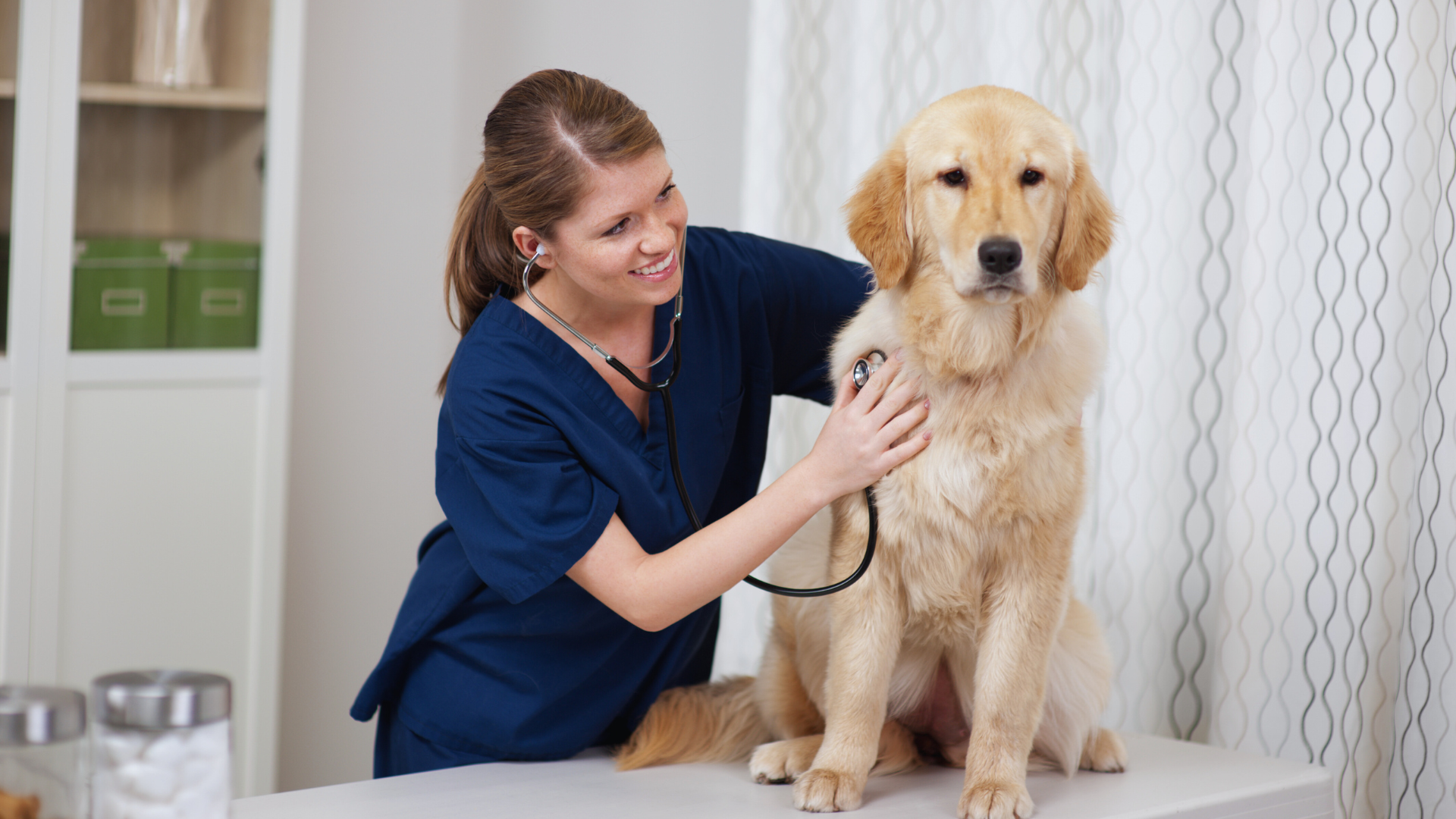
Keeping pets healthy requires regular veterinary care, a balanced diet, and consistent exercise. Paying attention to their behaviour and environment also helps catch issues early. Providing clean water, nutritious food, and routine check-ups forms the foundation of good pet health.
Preventive measures like vaccinations, parasite control, and dental care play crucial roles in avoiding common illnesses. Mental stimulation and social interaction support both physical and emotional well-being.
Understanding the specific needs of your pet’s breed and species ensures you meet their unique requirements. Small daily efforts lead to longer, healthier lives for pets, making care manageable and effective.
Understanding Your Pet’s Health Needs
Pets have unique health requirements shaped by their species, age, and common medical conditions. Knowing these specifics is vital for effective care and early problem detection.
Recognising Species-Specific Health Requirements
Different pets, such as dogs, cats, birds, or reptiles, have distinct dietary and environmental needs. For example, cats require taurine, an essential amino acid found in meat, while herbivorous reptiles depend on varied plant matter.
Exercise needs vary widely; dogs benefit from daily walks, while some small mammals need specialised cages for safe movement. Housing conditions must reflect natural habitats—humidity for reptiles or perches for birds—to prevent stress and illness.
Vaccination schedules and parasite control also differ by species. Dogs often require rabies shots, while rabbits have specific vaccines for diseases like myxomatosis. Understanding these details supports proper preventive care.
The Role of Life Stages in Pet Health
Pets’ health requirements change significantly from infancy through old age. Young animals need higher protein diets and frequent veterinary checks to ensure proper development.
Adult pets require balanced nutrition to maintain weight and energy, while seniors often need diets lower in calories but enriched with joint support supplements like glucosamine.
Routine health monitoring becomes more crucial for older pets, as ailments like arthritis, dental diseases, and kidney problems become more common. Adjusting care based on life stage helps maintain quality of life.
Identifying Common Health Issues
Certain illnesses are more prevalent in specific pets, and recognising early signs is critical for timely treatment. Dogs are prone to hip dysplasia and obesity; cats commonly face urinary tract infections and hyperthyroidism.
Birds often suffer from respiratory infections linked to poor air quality. Reptiles may face metabolic bone disease due to inadequate UV exposure.
Symptoms to watch include changes in appetite, behaviour, coat quality, and elimination patterns. Regular veterinary visits facilitate early detection and treatment of these issues, minimising long-term complications.
Routine Veterinary Care
Maintaining a pet’s health requires consistent attention to prevent diseases and catch issues early. Key components include timely appointments, immunisations, and dental evaluations, each addressing different but critical aspects of health.
Scheduling Regular Health Checkups
Regular veterinary visits are essential for monitoring a pet’s health over time. For most pets, scheduling a checkup every six to twelve months allows vets to detect conditions before symptoms appear.
During these visits, the vet reviews weight, behaviour, and physical condition. Blood tests, faecal exams, and parasite screenings may be performed based on age and risk factors. Keeping a well-documented health record helps track changes and manage chronic diseases effectively.
Owners should note any unusual behaviour or physical changes and report them promptly. Early intervention often leads to less complex and less costly treatments.
Recommended Vaccinations
Vaccinations protect pets against common infectious diseases. The specific vaccines depend on species, lifestyle, and geographic location.
Core vaccines for dogs typically include distemper, parvovirus, adenovirus, and rabies. Cats usually receive vaccines for feline calicivirus, herpesvirus, panleukopenia, and rabies. Additional vaccines may be recommended for pets exposed to particular risks, like Lyme disease or kennel cough.
Vaccination schedules usually start in puppy or kitten stages and require boosters throughout life. Maintaining an updated vaccine record is vital for travel, boarding, and legal compliance.
Annual Dental Exams
Dental health is often overlooked, yet critical to overall pet wellness. Annual dental exams help identify plaque buildup, gum disease, and tooth decay early.
During these exams, vets assess oral tissues and may recommend professional cleanings. Untreated dental issues can cause pain, infections, and contribute to systemic illnesses affecting the heart, liver, and kidneys.
Owners should inspect their pet’s mouth regularly and provide dental care at home using products approved by veterinarians. This can include tooth brushing, dental diets, and chews designed to reduce tartar.
Balanced Nutrition for Pets
Proper nutrition supports pets’ immune systems, energy levels, and overall well-being. It requires selecting high-quality foods, managing portions carefully, and adapting diets to any specific health needs or allergies.
Choosing Quality Pet Food
Look for pet foods that meet the AAFCO (Association of American Feed Control Officials) standards to ensure balanced nutrition. Ingredients like real meat, vegetables, and grains are preferable.
Avoid products with excess fillers such as corn or by-products. Protein sources should be clearly named, like “chicken” or “beef,” rather than vague terms like “meat meal.”
Wet and dry foods both have benefits. Dry food helps maintain dental health, while wet food increases hydration. Consult your vet about the best option based on your pet’s breed and lifestyle.
Portion Control and Feeding Schedules
Feeding the correct portion size is crucial to prevent obesity. Use the feeding guidelines on food packaging as a starting point, but adjust based on your pet’s weight, age, and activity level.
Divide daily rations into two or three meals rather than free-feeding. Regular schedules help regulate digestion and reduce begging or overeating.
Weigh your pet monthly to monitor changes and adjust food quantities accordingly. Treats should not exceed 10% of total daily caloric intake.
Addressing Dietary Restrictions
Pets may have allergies or sensitivities to common ingredients like beef, dairy, or grains. Symptoms include itching, digestive upset, or ear infections.
Elimination diets help identify problem foods by feeding limited-ingredient diets with novel proteins like duck or venison. Always introduce new foods gradually over 7 to 10 days.
Pets with medical conditions (e.g., kidney disease, diabetes) require specialised diets. Consult your vet for tailored nutrition plans to manage these issues effectively.
Exercise and Physical Activity
Regular activity supports a pet’s physical health, mental wellness, and behaviour. Tailoring exercise to their needs and environment prevents injuries and keeps pets engaged.
Age-Appropriate Activities
Pets require different types and amounts of exercise depending on their age. Puppies and kittens benefit from short, frequent play sessions that encourage movement without overexertion. For young adults, longer walks, runs, or interactive games like fetch are suitable for building stamina.
Senior pets need gentler activity, such as slow walks or swimming, which reduces joint strain. Adjust intensity and duration based on health conditions or vet recommendations. Consistency is key, but avoid pushing older animals into exercise that risks stress or injury.
Mental Enrichment through Play
Physical exercise should be combined with activities that challenge pets mentally. Puzzle feeders, hide-and-seek games, and training sessions stimulate cognitive function. Dogs often enjoy obedience drills or scent work, while cats benefit from interactive toys and climbing structures.
Mental exercise prevents boredom, decreasing destructive behaviours. Rotate toys regularly to maintain interest. Use positive reinforcement during play to strengthen the bond between owner and pet.
Safe Outdoor Experiences
Outdoor activity exposes pets to fresh air and natural stimuli. Always use a secure leash or enclosed spaces to prevent escapes or accidents. Check the environment for hazards such as toxic plants, sharp objects, or extreme temperatures.
Heatstroke and frostbite are concerns; plan sessions when conditions are mild. Carry water to keep pets hydrated. Outdoor socialisation with other animals helps build appropriate social skills, but monitor interactions carefully to avoid conflicts.
Preventative Health Measures
Ensuring your pet stays healthy involves consistent care routines and protection against common health risks. Key areas include controlling parasites, maintaining hygiene, and managing weight effectively.
Parasite Prevention Strategies
Parasite prevention is vital to protect pets from fleas, ticks, heartworms, and intestinal worms. Use veterinarian-recommended products such as topical treatments, oral medications, or collars.
Regularly check your pet for signs of infestation, such as scratching, redness, or visible parasites. Maintain a clean living environment to reduce exposure risks.
Administer parasite preventatives year-round if recommended, as many parasites thrive in multiple seasons. Timely vaccinations and deworming schedules should be followed.
Monitor your pet’s health closely after any outdoor activity, especially in areas known for ticks or fleas.
Regular Grooming and Hygiene
Routine grooming supports skin health and early detection of abnormalities. Brush your pet’s coat regularly to remove loose hair and dirt, reducing mats and tangles.
Bathing frequency varies by species and lifestyle; use pet-safe shampoos to avoid skin irritation. Nail trimming prevents discomfort and joint issues.
Clean ears and eyes to ward off infections. Dental care, including brushing or dental chews, helps prevent gum disease and tooth decay.
Grooming sessions are also an opportunity to inspect for lumps, cuts, or parasites, enabling prompt intervention.
Maintaining a Healthy Weight
Preventing obesity is crucial for long-term health and mobility. Ensure your pet’s diet matches its age, breed, and activity level. Avoid overfeeding and unnecessary treats.
Regular exercise supports muscle tone and cardiovascular health. Adjust meal portions based on weight changes and consult a veterinarian for a tailored diet plan.
Monitor body condition using simple indicators like rib coverage, waist definition, and energy levels. Weight management reduces the risks of diabetes, joint problems, and organ strain.
Monitoring Behaviour and Mood
Consistent observation of a pet’s behaviour and emotional state is crucial for identifying health issues early. Paying close attention to changes can help address problems before they worsen, improving the pet’s quality of life.
Spotting Early Signs of Illness
Changes in eating habits, lethargy, and unusual hiding are key early indicators of illness. Pets that suddenly stop eating or drink excessively may be experiencing dental problems, infections, or organ issues.
Watch for symptoms like vomiting, diarrhoea, or coughing. These signs require immediate attention to prevent complications. Behavioural changes such as increased aggression or withdrawal can also reveal underlying health problems.
Tracking these signs daily helps in early detection and treatment. Keeping a simple log of behaviour changes can aid vet visits by providing detailed patterns.
Managing Stress and Anxiety
Stress in pets often manifests as pacing, excessive grooming, or vocalising. Noise, new environments, and separation can trigger anxiety. Identifying the cause helps in managing stress effectively.
Providing a safe, quiet space and consistent routines reduces anxiety. Products like pheromone diffusers or calming treats might be helpful, but should be discussed with a vet.
Behavioural training and gradual exposure to triggers can improve coping skills. In severe cases, veterinary consultation is recommended for possible medication.
The Importance of Social Interaction
Regular social interaction prevents loneliness and supports mental health. Dogs benefit from interaction with other dogs and humans, while cats often enjoy gentle play and companionship.
Lack of socialisation can lead to behavioural problems such as aggression or depression. Schedule playtime and social activities based on your pet’s preferences and tolerance.
Monitor your pet’s reactions during social encounters to avoid stress or overstimulation. Balanced social contact supports both emotional well-being and overall health.
Home Environment and Pet Safety
A proper home setup helps prevent accidents and creates a supportive space for pets to thrive. Attention to safety details and mental stimulation can reduce stress and promote well-being.
Creating a Safe Living Space
Identify and remove hazards like exposed wires, toxic plants, and small objects that pets might swallow. Electrical cords should be secured or covered to avoid chewing risks. Ensure windows and balconies have secure screens to prevent falls.
Set up designated areas for eating, sleeping, and playing. These zones should be clean, dry, and free from clutter. Adequate ventilation and comfortable temperatures tailored to the pet’s needs help maintain health.
Check that furniture is stable and avoid sharp edges or breakables reachable by pets. Proper lighting enables pets to move safely, especially at night. Access to water throughout the home is essential.
Pet-Proofing Your Home
Store cleaning chemicals, medications, and human food out of reach in locked cabinets whenever possible. Foods like chocolate, onions, and grapes are toxic to many animals and should never be accessible.
Use gates or barriers to restrict pets from potentially dangerous rooms such as garages or basements. Secure trash bins with lids to prevent ingestion of harmful items or spoiled food.
Keep cords from blinds and curtains elevated or tied back to prevent strangulation hazards. Regularly inspect toys and bedding for wear and tear that might create choking risks.
Environmental Enrichment Ideas
Provide varied stimulation to support mental and physical health. Toys that challenge pets’ natural instincts, like puzzle feeders or scented elements, encourage problem-solving.
Rotate toys regularly to maintain interest and prevent boredom. Climbing structures or scratching posts appeal to cats, while durable chew toys or fetch balls engage dogs.
Social interaction with family or other pets adds emotional enrichment. Outdoor access, secured by fences or leashes, allows safe exploration of new environments and scents, promoting exercise and curiosity.
Special Considerations for Ageing Pets
Older pets require changes in their daily routines, diets, and medical care to maintain their quality of life. Attention to pain management, mobility, and ongoing health issues is essential.
Adjusting Care for Senior Pets
As pets age, their nutritional needs shift. Senior diets often have reduced calories but higher fibre and protein to support muscle maintenance and digestion. Regular dental care becomes crucial, as dental disease can affect overall health.
Routine veterinary checkups should increase to twice a year, focusing on early detection of issues like kidney disease or arthritis. Monitoring weight and behaviour changes is essential. Provide comfortable resting areas with warm bedding to help older pets rest better.
Mobility Support Solutions
Arthritis and joint stiffness are common in ageing pets. Providing orthopaedic beds and non-slip mats reduces strain and injury risk. Regular gentle exercise, such as short leash walks or swimming, helps maintain joint flexibility and muscle tone.
Supplements such as glucosamine, chondroitin, and omega-3 fatty acids may reduce inflammation and pain. Consider ramps or stairs for easy access to favourite spots. Physical therapy or hydrotherapy can be effective for dogs with severe mobility issues.
Chronic Illness Management
Chronic diseases like kidney failure, diabetes, and heart disease require strict monitoring. Administer medications consistently and track symptoms daily. Use a dedicated organiser or app to manage dosing schedules.
Diet modifications often accompany these illnesses, such as low-protein kidney diets or limited sodium for heart patients. Regular blood tests help adjust treatment plans. Collaborate closely with a veterinarian to optimise comfort and longevity.