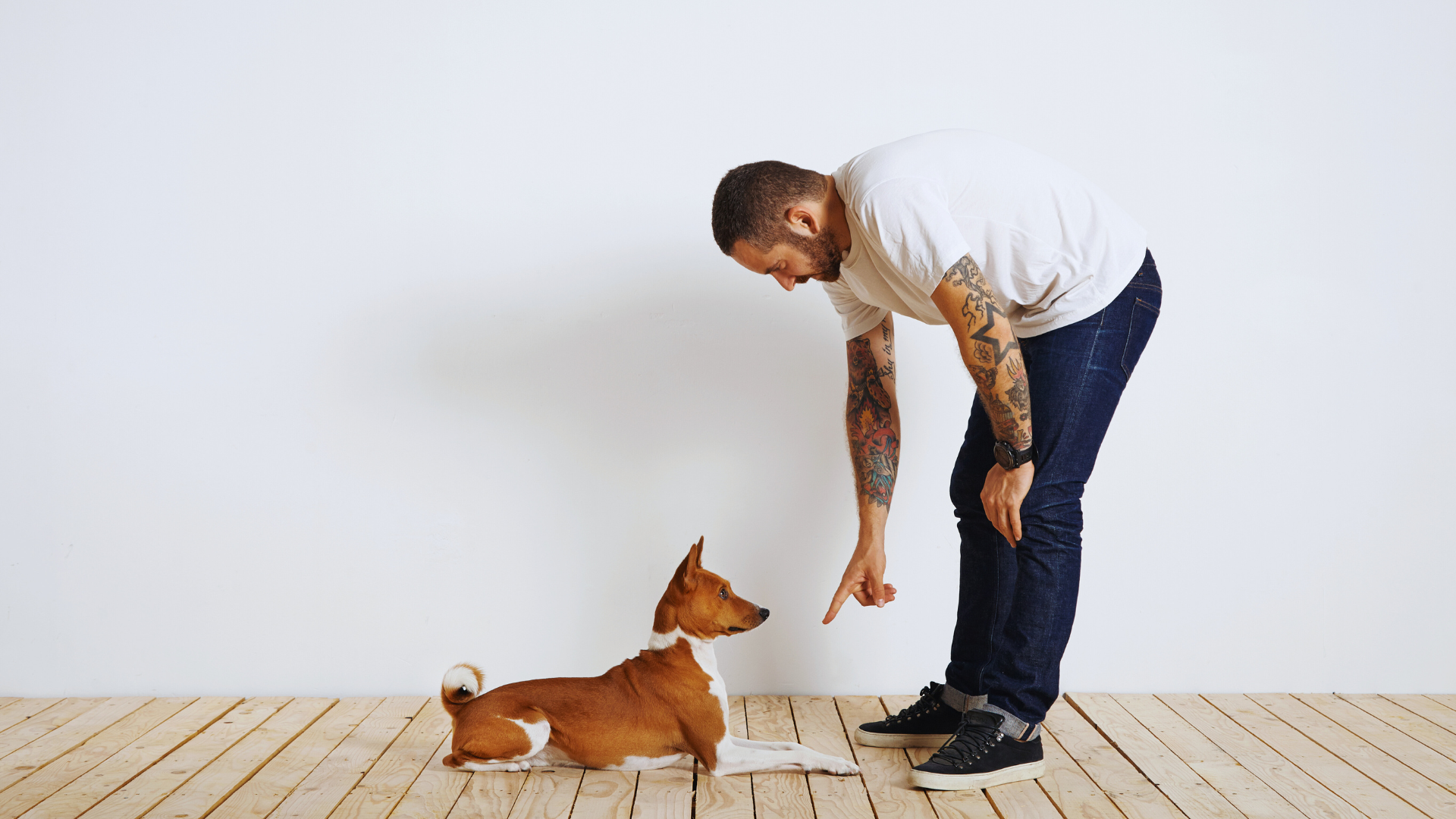
Training pets at home is achievable with consistency, patience, and the right approach. The key is to use clear commands, reward good behaviour immediately, and keep training sessions short to maintain your pet’s focus.
Understanding your pet’s motivations and limits helps tailor the training process effectively. Whether teaching basic commands or addressing specific behaviours, creating a positive learning environment at home sets the foundation for success.
Small, regular sessions build habits without overwhelming your pet. This guide breaks down practical steps you can start today to train your pet efficiently and confidently.
Understanding Your Pet’s Needs
Training success depends on understanding distinctbehaviourall traits, communication styles, and natural instincts. Recognising these factors helps tailor methods to fit your pet’s unique characteristics and improves learning outcomes.
Recognising Pet Personalities
Every pet has a unique personality shaped by genetics and life experiences. Some pets are naturally more sociable and eager to please, while others may be shy or independent.
Observe how your pet reacts to strangers, new environments, and other animals. For example, a confident dog may readily explore new spaces, while a timid one might retreat or hide. Adjust your training approach accordingly—reward confident pets with praise and treats, but use patience and gentle encouragement with more reserved animals.
Personalities also affect attention span and motivation during training sessions. High-energy pets benefit from short, frequent exercises, whereas calmer pets may prefer longer, less frequent sessions.
Assessing Breed-Specific Traits
Breed influences physical abilities, intelligence, and instinctual behaviours, all relevant to training strategies. For instance, herding breeds like Border Collies excel at tasks requiring focus and quick responses. In contrast, terriers are tenacious and may need consistent boundaries.
Use breed traits to set realistic goals. A scent hound might struggle with simple obedience due to its strong tracking instincts, but can excel in scent-related tasks.
Below is a quick reference for common breed training considerations:
| Breed Group | Key Traits | Training Focus |
| Working | Strong, intelligent | Structured, consistent |
| Toy | Small, sensitive | Gentle handling, short sessions |
| Hound | Scent-driven, independent | Stimulus control, motivation |
| Terrier | Energetic, tenacious | Firm boundaries, engagement |
Importance of Communication
Clear communication is critical for effective training. Pets respond best to consistent signals, whether verbal commands, hand gestures, or body language.
Use simple, distinct commands and pair them consistently with actions or rewards. For example, saying “sit” clearly and waiting for the behaviour helps your pet associate the word with the action.
Nonverbal cues can be equally important. A calm, confident posture encourages cooperation, while harsh tones or abrupt movements often cause stress or confusion.
Observe your pet’s responses and adjust your communication style. Some pets are more attuned to tone, others to gestures. Consistency in signals builds trust and speeds learning.
Preparing Your Home for Training
Setting up your space thoughtfully enhances your pet’s ability to learn and reduces distractions. Choosing the right tools and sticking to consistent schedules are crucial for effective training.
Creating a Training Environment
Designate a quiet, clutter-free area for training sessions. This space should be free from distractions like loud noises, other pets, or children.
Use non-slip flooring or a mat to help pets maintain balance during exercises. Ensure the area has good lighting and enough room for movement.
Keep training treats and toys nearby but out of the pet’s immediate reach until needed. This helps maintain focus and avoids premature excitement.
Selecting Safe Training Tools
Choose tools appropriate for your pet’s species, size, and temperament. Common items include clickers, harnesses, leashes, and treat bags.
Check equipment for durability and safety features. Avoid collars or devices that cause pain or discomfort, such as choke or prong collars.
Use soft, chew-resistant toys for rewards. Avoid items with small parts that could be swallowed or pose choking hazards.
Establishing Daily Routines
Consistency in timing reinforces learning. Schedule short, frequent sessions—ideally 10 to 15 minutes twice a day.
Incorporate training into natural routines, like after walks or meals. This helps your pet anticipate sessions and stay engaged.
Stick to a predictable schedule to reduce anxiety. Use the same command words, tone, and gestures to build clear communication.
Positive Reinforcement Techniques
Training pets effectively relies on rewarding desired behaviours immediately and consistently. This encourages pets to repeat those actions. Different methods can help communicate clearly and motivate your pet.
Using Treats and Rewards
Treats are one of the most direct and effective ways to reinforce good behaviour. Choose small, tasty bites that your pet enjoys but won’t fill them up quickly. Timing is critical—give the treat immediately after the behaviour to link the action with the reward.
Use a variety of treats to maintain interest, and gradually reduce the frequency as the pet learns. Combine treats with physical rewards like petting or play to create stronger positive associations. Avoid using treats as bribes before a behaviour; deliver them after the correct action occurs.
Clicker Training Basics
Clicker training uses a distinct sound to mark the exact moment a pet performs the desired behaviour. The click signals that a reward is coming, making learning quicker and clearer. Start by pairing the click with a treat so the pet understands the sound means a reward.
Use the click to break down complex behaviours into small steps. Click immediately when the pet takes the right action, then follow with a treat. Consistency in timing and tone of the click is essential. Over time, the click becomes a reliable marker that guides the pet’s learning.
Verbal Praise and Affection
Verbal praise should be clear, enthusiastic, and consistent. Use a specific word or phrase like “good” or “yes” right after the behaviour. The tone of voice plays a major role—pets respond best to upbeat and warm sounds.
Combine verbal praise with physical affection such as petting, belly rubs, or gentle pats. These forms of reinforcement are especially useful when treats aren’t practical. Be mindful of your pet’s preferences to ensure the praise is motivating rather than distracting or stressful.
Training Essential Commands
Basic commands form the foundation of a well-behaved pet. Mastering these skills requires clear communication, consistency, and patience. Focus on usability and timing to increase success.
Teaching Sit and Stay
Start with “sit” by holding a treat close to your pet’s nose and slowly moving it upwards. This motion encourages the pet to sit naturally. Once seated, immediately use the verbal cue “sit” and reward with the treat.
For “stay,” have your pet sit first. Show the palm of your hand as a stop signal, say “stay” firmly, and take a step back. If the pet remains, reward right away. Gradually increase distance and duration.
Consistency is crucial. Practice daily in short sessions, and avoid repeating the command excessively to prevent confusion. Positive reinforcement strengthens their understanding and willingness.
Recall and Come When Called
Recall training starts in a quiet, distraction-free area. Use a consistent cue like “come” paired with an enthusiastic tone. Show a treat or favourite toy to capture attention.
When the pet approaches, reward immediately with praise and the treat. If the pet ignores the call, never punish. Instead, increase reward value or reduce distractions.
Practice frequently, gradually increasing distance and distractions. Use a long leash for safety during outdoor practice. Reliable recall prevents hazards and builds trust between pet and owner.
Introduction to Leash Walking
Begin indoors by attaching the leash and allowing the pet to get used to it. Use treats to encourage them to follow you. Keep sessions short to avoid frustration.
Teach loose-leash walking by stopping when the pet pulls and resuming only when the leash slackens. Use the cue “heel” or “walk” consistently.
Choose appropriate equipment (harness or collar) based on your pet’s size and comfort. Regular, calm walks improve behaviour and strengthen the owner-pet bond.
Addressing Unwanted Behaviours
Unwanted behaviours in pets can disrupt both training progress and daily life. Identifying the causes and applying consistent strategies helps reduce these behaviours effectively.
Managing Excessive Barking
Excessive barking often stems from boredom, anxiety, or alerting to stimuli. First, assess what triggers the barking—noise, people, or other animals. Use positive reinforcement to reward silence and redirect attention with commands like “quiet.”
Avoid yelling, as it can increase agitation. Provide regular exercise and mental stimulation to lower restlessness. Tools like puzzle toys or increased walks help reduce excess energy, which can fuel barking.
If barking results from separation anxiety, gradual desensitisation and counterconditioning techniques work best. Start with short absences and build up time outside the room while rewarding calm behaviour. Consistency is crucial for long-term change.
Dealing with Chewing and Scratching
Pets chew and scratch to relieve discomfort, explore, or mark territory. To manage this, provide appropriate outlets like chew toys and scratching posts. Rotate toys regularly to maintain interest.
Use deterrents such as bitter sprays on furniture to discourage destructive behaviour. When catching a pet in the act, calmly redirect them to their toys instead of punishing. Praise should follow the use of acceptable items.
Ensuring pets get enough physical and mental exercise reduces boredom-driven chewing or scratching. Regular nail trims also minimise damage from scratching. Monitor the environment and remove temptations where possible.
Advanced Home Training Techniques
Effective pet training at home involves creating consistent routines and environments that encourage positive behaviours. Using structured spaces and clear signals helps pets understand expectations and reduces anxiety.
Crate Training Fundamentals
Crate training provides a secure, confined space that pets learn to associate with safety and rest. Start by introducing the crate gradually, allowing your pet to explore it freely with the door open and treats inside.
Consistency is key: feed pets in the crate and close the door briefly during meals. Increase crate time slowly, ensuring the experience is calm and non-threatening. Avoid using the crate for punishment to maintain trust.
Daily crate sessions should not exceed a few hours during the day, with longer periods reserved for overnight. This approach supports housebreaking and prevents separation anxiety when done properly.
Housebreaking and Litter Training
Housebreaking relies on frequent, scheduled bathroom breaks and reinforcing successes with immediate rewards. Establish a routine by taking dogs outside every 1-2 hours and after meals, naps, or play.
For litter training cats, select an accessible, quiet spot and keep the litter box clean to encourage use. Place the cat gently in the box after meals and upon waking. Use unscented, clumping litter for best results.
Monitor accidents carefully; never punish. Instead, clean soiled areas with an enzymatic cleaner to remove odours. Patience and consistency reinforce proper bathroom habits in both dogs and cats.
Socialisation and Enrichment
Effective pet training includes exposing animals to new environments and providing mentally stimulating activities. Both aspects help build confidence and prevent behavioural issues.
Introducing Pets to New Experiences
Gradual exposure to different sights, sounds, and people helps pets adapt without fear. Start by introducing one new element at a time, such as a visit to a park or meeting unfamiliar people.
Use positive reinforcement, like treats or praise, to associate these experiences with positive outcomes. Avoid overwhelming pets and allow them to retreat if they seem stressed.
Repeated, controlled exposure fosters comfort and reduces anxiety. Monitor body language closely for signs of stress or curiosity.
Incorporating Play and Exercise
Regular physical activity supports physical health and improves focus during training. Tailor exercise routines to your pet’s breed, age, and energy level.
Interactive toys, puzzle feeders, and short training sessions stimulate the mind and reduce boredom. Schedule daily sessions of play lasting 15-30 minutes.
Balance vigorous exercise with calming activities to maintain mental well-being. Consistency in play and exercise routines helps establish good habits.
Tracking Progress and Adjusting Methods
Monitoring how your pet responds to training helps identify what works and what doesn’t. Adjusting techniques based on these observations ensures steady improvement and addresses challenges effectively.
Keeping Training Logs
Document each training session with date, duration, exercises practised, and outcomes. Include notes on your pet’s behaviour, response speed, and any distractions present.
Use a simple table format:
| Date | Exercise | Duration | Success Level (1-5) | Notes |
| 01/20/2026 | Sit command | 10 mins | 4 | Responsive, but distracted by noise |
| 01/21/2026 | Recall | 15 mins | 3 | Hesitant, needs more positive reinforcement |
Consistency in logging helps detect progress trends and adjust the difficulty or rewards accordingly. It also keeps training goals clear and measurable.
When to Seek Professional Guidance
If your pet shows persistent behaviours like aggression, fear, or lack of response after several weeks, consider consulting a trainer or behaviourist. Professionals can offer tailored strategies beyond basic training methods.
Signs to seek help include:
- Repeated failure to learn essential commands
- Increasing anxiety during sessions
- Dangerous or harmful behaviours toward people or other pets
Early professional input can save time and prevent worsening problems. It is especially important for puppies under 4 months or pets with past trauma.
Maintaining Consistency and Motivation
Consistency is key when training pets at home. Set a regular schedule for training sessions, ideally short and frequent, such as 10-15 minutes daily. This helps pets stay focused and reinforces learning effectively.
Use clear and consistent commands. Avoid changing words for the same action to prevent confusion. Combine verbal cues with hand signals to enhance understanding.
Motivation plays a vital role in training success. Use positive reinforcement like treats, praise, or play to reward good behaviour immediately. Rewarding correct responses encourages pets to repeat them.
Keep a training log to track progress and setbacks. Record what methods work best and which require adjustment. This will help maintain structure and observe improvements.
| Tips for Maintaining Consistency | Tips for Motivation |
| Train at the same time daily | Use high-value treats |
| Use the same commands | Vary rewards to keep interest |
| Practice in different environments | Celebrate small achievements |
Be patient and avoid punishing mistakes. Training requires time, and pets learn best through positive experiences. Adjust goals as your pet progresses to stay motivated and prevent frustration.