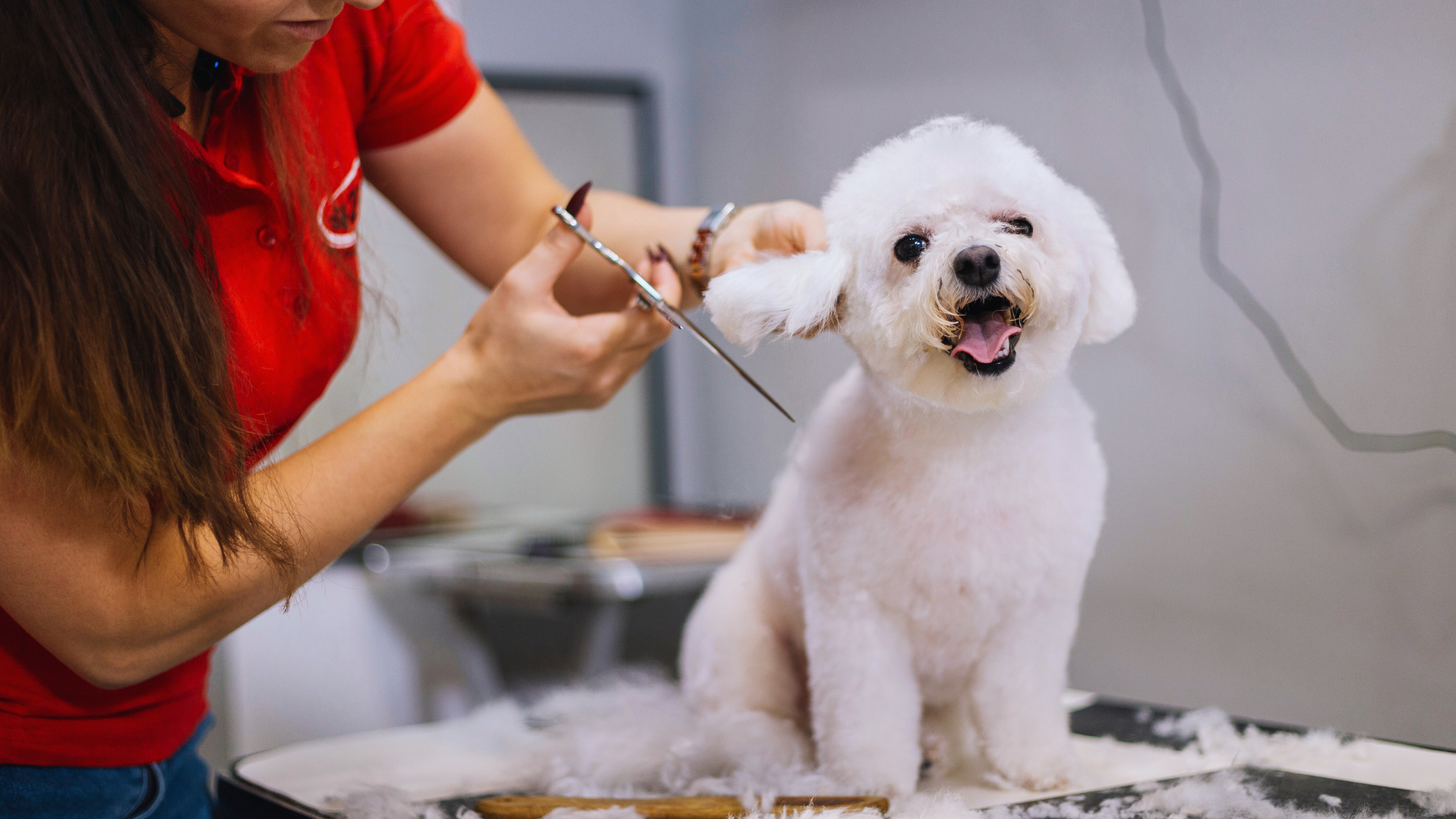
Proper pet grooming is essential for maintaining your animal’s health and comfort. It involves regular brushing, bathing, nail trimming, and checking for any signs of skin issues or parasites. The key to grooming pets properly is to use the right tools for their specific coat type and to be consistent with the routine.
Understanding your pet’s unique needs helps prevent discomfort and illnesses related to poor hygiene. Grooming also strengthens the bond between you and your pet, making the process easier and less stressful over time.
This guide will break down the essential grooming steps and offer practical tips for different types of pets, ensuring you can keep your companion clean and healthy with confidence.
Understanding the Basics of Pet Grooming
Proper grooming maintains a pet’s health and comfort. It involves hygiene, coat care, and tool selection tailored to each animal’s needs.
Why Grooming Is Essential for Pets
Grooming prevents matting, skin infections, and parasites like fleas or ticks. Regular brushing removes dirt and loose hair, reduces shedding, and improves circulation.
It also allows early detection of abnormalities such as lumps or wounds. Nail trimming prevents overgrowth that can cause pain or walking issues. Bathing controls odours and keeps skin clean.
Grooming supports a pet’s overall well-being and behaviour by reducing discomfort and stress linked to poor hygiene.
Different Pet Breeds and Grooming Needs
Long-haired breeds like Afghan Hounds require daily brushing to avoid tangles. Short-haired breeds like Beagles benefit from weekly grooming to remove dead fur.
Pets with dense undercoats, such as Siberian Huskies, need seasonal de-shedding tools. Hairless breeds require skin moisturising and sun protection instead of coat care.
Breed-specific traits influence coat texture, shedding frequency, and grooming methods. Customising routines ensures pets remain healthy and comfortable.
Choosing the Right Grooming Tools
Essential tools include brushes, combs, nail clippers, and shampoos designed for the pet type and coat. Slicker brushes work well for removing mats in long fur.
Metal combs help detect tangles and distribute oils. Clippers vary by blade size for trimming fur length safely. Nail trimmers should fit the pet’s size to avoid injury.
Use hypoallergenic shampoos suited to your pet’s skin sensitivity. Select tools based on breed, coat length, and your comfort level handling them for efficient grooming.
Preparing Your Pet for Grooming
Setting the stage for a smooth grooming session involves managing your pet’s environment and behaviour carefully. Recognising stress signals and building tolerance to handling are key steps to ensure your pet feels safe and relaxed.
Creating a Calm Environment
Choose a quiet, well-lit space free from distractions. Avoid loud noises and sudden movements that could startle your pet. Use non-slip mats to prevent slipping, creating a secure footing.
Keep grooming tools nearby and organised to minimise time spent searching for items. Soft background music or white noise can help mask disruptive sounds. A familiar blanket or toy can provide comfort during the process.
Consistent grooming locations help pets associate the area with calm and routine. Good ventilation prevents overheating, especially during longer sessions.
Getting Pets Comfortable with Handling
Begin by gently touching your pet’s paws, ears, and tail daily before grooming sessions. Use treats and praise to reinforce positive associations with touch. Gradually introduce grooming tools like brushes or nail clippers without applying them initially.
Short training sessions are more effective than long, forced encounters. Let your pet explore tools at their own pace, offering breaks if they seem uneasy. Handling should always be calm and gentle to build trust.
Routine handling outside grooming times prepares pets for the process, reducing fear and resistance.
Signs of Stress in Pets During Grooming
Watch for signs such as trembling, yawning, lip licking, or excessive panting. Avoid confusing normal behaviours with stress signs; repeated yawning or diluted tail wagging can indicate discomfort.
Vocalisations like whining or growling, sudden attempts to escape, and wide eyes with dilated pupils are clear stress indicators. Restlessness or freezing in place also suggests anxiety.
If these signs appear, pause the session and provide calming breaks. Returning to more familiar, gentle handling may help reduce stress.
Bathing Pets Properly
Bathing pets requires attention to the types of products used, the specific techniques for different animals, and proper drying methods to maintain their comfort and skin health. Each step plays a role in preventing skin irritation and ensuring cleanliness.
Selecting Appropriate Shampoos and Products
Choose shampoos formulated specifically for the type of pet and its coat condition. For dogs, use shampoos labelled for dogs only; human shampoos can disrupt their skin pH. Cats need gentle, hypoallergenic products since they groom themselves and may ingest residue.
Avoid products with harsh chemicals, fragrances, or additives that cause allergic reactions. Medicated shampoos are available for skin issues, but should be used under veterinary advice. Conditioner is optional but useful for pets with long or dry fur to reduce tangling.
Always read and follow product instructions. Test a small area for sensitivity before full use to prevent adverse reactions.
Bathing Techniques for Dogs and Cats
Start by brushing the pet to remove loose hair and mats. Use lukewarm water; water that’s too hot or too cold can cause discomfort or shock. Wet the fur thoroughly, but avoid soaking the pet’s head initially to prevent water in the ears and eyes.
Apply shampoo evenly, starting from the neck down to the tail. For dogs, rub gently in circular motions. For cats, apply carefully and quickly to reduce stress, as cats generally dislike water. Avoid shampoo contact with eyes, ears, and nose.
Rinse thoroughly to remove all shampoo residue, which can cause itching. Use a handheld shower or cup for controlled water flow.
Drying Methods and Safety Tips
After bathing, gently squeeze excess water from the fur without rubbing vigorously. Use a clean, absorbent towel to dry the pet thoroughly. For dogs, a pet-specific blow dryer set on low heat can help, but keep it moving to avoid burns.
Keep the pet warm during the drying process, especially in cold weather, to prevent chills. For cats, towel drying is usually sufficient; loud dryers may increase stress.
Check ears for moisture; dry gently with a soft cloth or cotton ball to prevent infections. Never insert anything into the ear canal.
Brushing and Combing Techniques
Proper brushing requires choosing the right tools and frequency for each pet’s coat type. Detangling and managing mats effectively prevents discomfort and skin issues.
Frequency and Type of Brushing Needed
Pets with short hair generally need brushing once a week to remove loose hairs and distribute oils. Breeds with medium to long coats often require daily brushing to prevent tangles and mats.
Tool Selection:
- Short-haired pets: Use a rubber curry brush or bristle brush.
- Medium to long-haired pets: Use slicker brushes, wide-toothed combs, or pin brushes.
Adjust frequency based on shedding cycles and activity levels. For example, during shedding season, increase brushing to several times a week. Regular brushing supports healthy skin and a clean coat.
Detangling and De-matting Tips
Start by gently separating mats with fingers or a dematting comb before using more intense tools. Hold the base of the fur near the skin to reduce pulling pain.
Use a wide-toothed comb to work through tangles, starting at the ends and moving inward. For severe mats, carefully cut them out with blunt-tipped scissors if brushing and combing won’t suffice.
Apply pet-safe detangling sprays or conditioners to ease the process. Avoid forcing through stubborn mats to prevent skin injury or stress.
Nail Trimming Best Practices
Proper nail trimming prevents discomfort and injury for pets. It requires careful identification of sensitive areas and the right tools to ensure a clean, safe cut without causing pain or bleeding.
Identifying the Quick and Safe Cutting
The quick is the sensitive part inside a pet’s nail, containing nerves and blood vessels. Cutting into it causes pain and bleeding. In light-colored nails, the quick is pink and visible, allowing easy avoidance. Dark nails require cautious trimming; cut small amounts gradually until a grey or pink dot appears, signalling proximity to the quick.
Stop trimming well before the quick. If unsure, fewer cuts are better since nails grow back. Use good lighting and keep pets calm. Watch their reaction; flinching or withdrawal indicates you are close to the quick.
Tools for Nail Trimming
Choosing the right tool depends on the pet’s size and nail thickness. Common options include:
- Guillotine clippers: Best for small to medium pets, offering a clean cut.
- Scissor-style clippers: Provide more control for medium and large nails.
- Electric grinders: Useful for smoothing edges and trimming small nails gradually.
Keep tools sharp to avoid crushing or splintering nails. Sanitise after each use to prevent infections. Maintain a steady hand, and ensure your pet is securely held or restrained for safety.
Cleaning Ears, Eyes, and Teeth
Proper cleaning of a pet’s ears, eyes, and teeth is essential to prevent infections and maintain overall health. Each area requires specific tools and techniques to avoid injury while ensuring cleanliness and comfort.
Ear Cleaning Procedures
Cleaning your pet’s ears regularly helps prevent wax buildup and ear infections. Use a vet-approved ear cleaner specifically formulated for your pet’s species.
First, gently lift the ear flap and apply the cleaner into the ear canal. Avoid inserting anything deep into the ear to prevent damage. Massage the base of the ear for 20-30 seconds to loosen debris.
Allow your pet to shake their head; this helps expel excess solution and dirt. Use a cotton ball or soft cloth to wipe away any residue from the outer ear. Repeat the process if necessary, but never overclean, as this can cause irritation.
Maintaining Healthy Eyes
Eyes can accumulate tear stains, dirt, and discharge that require gentle cleaning. Use a clean, damp cloth or pet-safe wipes to wipe around the eyes daily.
Start at the inner corner and move outward, being careful not to touch the eyeball directly. For pets with long hair, trim fur around the eyes to prevent irritation and tear staining.
If you notice redness, excessive discharge, or cloudiness, consult a veterinarian immediately. Avoid using any human eye drops or products not recommended by your vet.
Dental Hygiene Essentials
Regular teeth cleaning prevents tartar buildup, gum disease, and bad breath. Use a toothbrush and toothpaste made specifically for pets.
Brush your pet’s teeth at least 2-3 times per week, focusing on the gum line where plaque accumulates. Start slowly, allowing your pet to get used to the sensation.
Dental chews and toys can supplement brushing, but should not replace it. Schedule professional dental cleanings as advised by your veterinarian for thorough care.
Dealing with Shedding and Allergies
Shedding and allergens from pets require specific strategies for effective control. Understanding when shedding spikes and how allergens spread can help reduce discomfort and maintain a cleaner environment.
Managing Seasonal Shedding
Shedding tends to intensify during spring and fall as pets adjust their coats. Regular brushing is crucial; use tools like slicker brushes for short-haired pets and undercoat rakes for long-haired breeds. Aim to brush daily during heavy shedding periods to remove loose fur before it spreads.
Bathing your pet every 4-6 weeks can also help loosen dead hair. Choose shampoos formulated to reduce shedding. Maintaining a balanced diet rich in omega-3 fatty acids supports healthy skin and fur, potentially decreasing excessive shedding.
Minimising Dander and Pet Allergens
Pet dander, tiny skin flakes, is a common allergen. Frequent grooming reduces dander buildup on your pet’s coat. Wiping your pet with a damp cloth can remove some allergens between baths.
HEPA air purifiers capture airborne particles, reducing dander in your home. Regular vacuuming with a HEPA-filter vacuum and washing pet bedding weekly lowers allergen levels. Avoiding carpet in pet areas further reduces allergen accumulation.
Tips to minimise allergens:
- Wash your hands after handling pets
- Keep pets out of bedrooms
- Choose hypoallergenic pet breeds if allergies are severe
Specialised Grooming for Different Pets
Different types of coats and species require specific grooming approaches. Understanding these helps maintain pet health and comfort. Attention to coat length and species characteristics guides the grooming process effectively.
Long-Haired vs. Short-Haired Pets
Long-haired pets need more frequent brushing to prevent tangles and mats. Use wide-tooth combs and slicker brushes to gently detangle. Bathing intervals should be regular but not excessive, about once every 4-6 weeks, depending on activity and coat condition.
Short-haired pets require less frequent grooming but still benefit from weekly brushing. It helps remove loose hair and stimulates skin oils. Tools for short-haired coats include rubber curry brushes or bristle brushes, which reduce shedding and promote a healthy coat.
Both types need nail trims, ear cleaning, and dental care incorporated into the routine. Adjust brushing tools and techniques to match coat texture and sensitivity.
Dog vs. Cat Grooming Differences
Dogs often tolerate full grooming sessions, including baths, nail trims, and ear cleanings, but their grooming needs vary widely by breed and size. For example, double-coated breeds like Huskies require seasonal shedding care, while small breeds may need regular haircuts.
Cats usually groom themselves extensively, but still need brushing to prevent hairballs and reduce shedding. Use soft brushes designed for feline fur and avoid over-bathing, which can dry out their skin. Nail trims should be gentle due to cats’ sensitive paws.
Both require careful ear and dental hygiene. Dogs often need more active grooming assistance, while cats benefit from gentle, brief sessions to avoid stress.
Professional Grooming vs. At-Home Grooming
Professional grooming offers expertise and specialised tools that many pet owners do not have at home. Groomers are trained to handle different breeds and coat types, providing precise cuts and treatments. They can also spot skin issues or parasites early during the grooming session.
At-home grooming allows for regular maintenance between professional visits. It can strengthen the bond between owner and pet through gentle brushing and cleaning. However, it requires knowledge, patience, and the right supplies to be effective.
| Aspect | Professional Grooming | At-Home Grooming |
| Skill Level | High trained groomers | Varies; owner-dependent |
| Tools Used | Specialised clippers, dryers | Basic brushes, clippers |
| Convenience | Scheduled appointments | Flexible timing |
| Cost | Higher due to professional service | Lower, but may require tool purchases |
| Safety | Groomers handle difficult pets safely | Riskier without experience |
Professional grooming suits pets with complex coats or those prone to matting. At-home grooming is effective for routine brushing, nail trimming, and ear cleaning.
Both methods play important roles. Choosing depends on the pet’s needs, the owner’s skills, and the budget. Consistency and care quality are essential regardless of the method used.
Safety Tips and Common Mistakes in Pet Grooming
Always prioritise your pet’s comfort and safety during grooming. Use tools designed for your pet’s specific fur type and size to avoid injury.
Avoid grooming when your pet is anxious or aggressive. This increases the risk of accidents for both you and the animal.
Common mistakes:
- Using scissors or clippers without proper training
- Ignoring signs of skin irritation or infection
- Cutting nails too short, causing bleeding
- Bathing too frequently, which can dry out the skin
Keep a first-aid kit nearby for minor cuts or scratches. If you notice any swelling, persistent redness, or unusual behaviour, consult a veterinarian immediately.
Maintain a calm environment. Speak softly and take breaks if your pet becomes restless.
Always check grooming equipment for damage. Broken blades or dull scissors can cause harm.
| Mistake | Impact | Prevention |
| Cutting nails too short | Pain, bleeding | Trim little by little, carefully |
| Using the wrong brush type | Skin irritation, discomfort | Match brush to coat type |
| Skipping health checks | Missed infections or ticks | Regularly inspect skin and fur |
Following these safety tips reduces risks and helps make grooming a positive experience.
Establishing and Maintaining a Grooming Schedule
Creating a consistent grooming schedule helps keep pets clean, healthy, and comfortable. The frequency depends on the animal’s breed, coat type, and lifestyle.
For example, dogs with long hair may need grooming every 4-6 weeks, while short-haired pets can often be groomed every 6-8 weeks. Cats generally require less frequent grooming but benefit from regular brushing.
Use this simple chart as a general guideline:
| Pet Type | Grooming Frequency | Key Tasks |
| Short-haired dogs | Every 6-8 weeks | Brushing, nail trimming |
| Long-haired dogs | Every 4-6 weeks | Brushing, bathing, trimming |
| Cats | Every 8-12 weeks | Brushing, nail trimming |
Consistency is crucial. Mark grooming sessions on a calendar or set reminders. This helps avoid missed grooming and keeps your pet comfortable.
Adjust schedules based on your pet’s needs. Seasonal changes, health conditions, or activity levels might require more frequent grooming.
Keep grooming sessions short and positive. Use treats and gentle handling to make your pet associate grooming with a good experience.