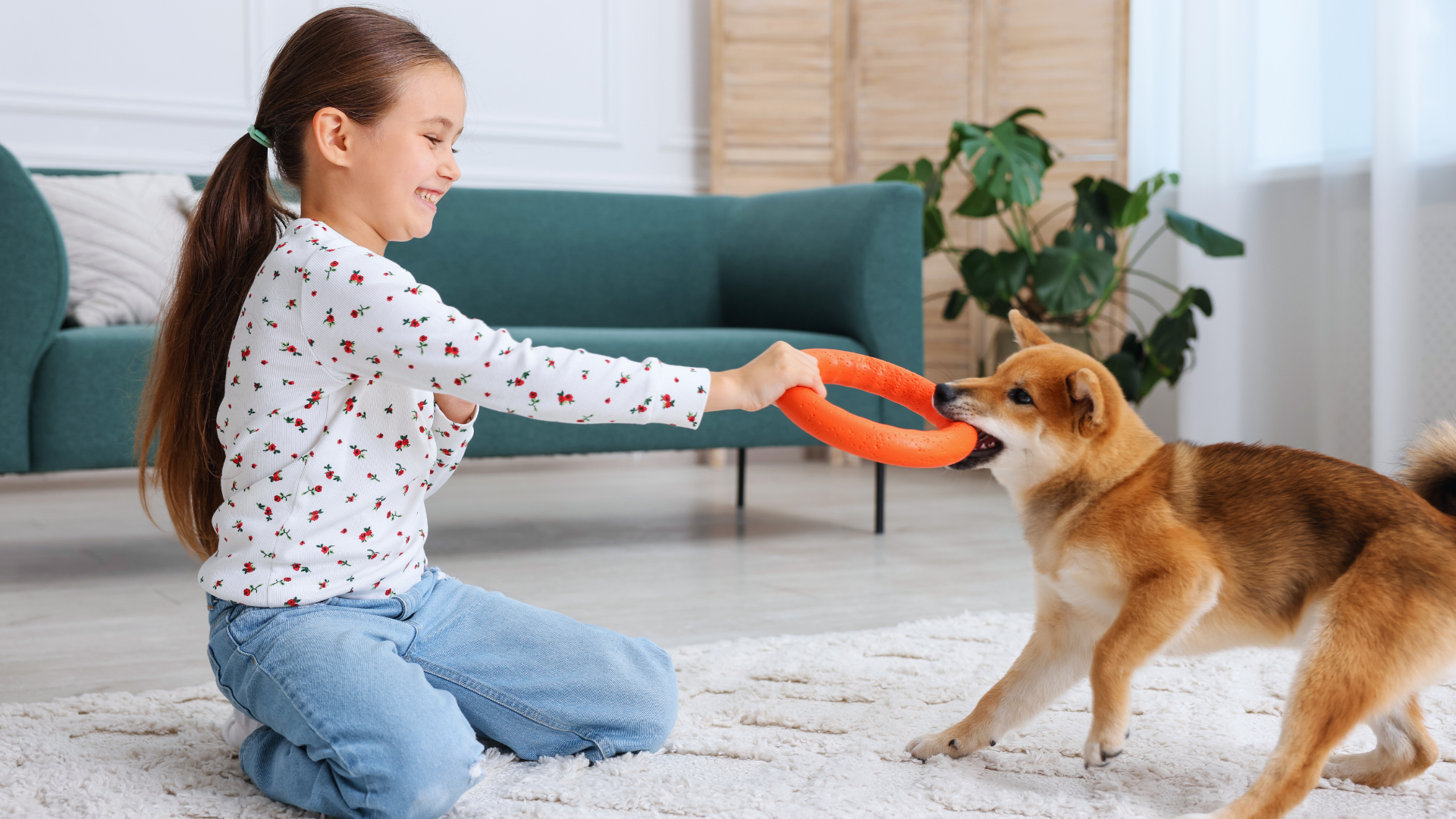
Bonding with your pet takes time, patience, and consistent effort. The key is to create positive experiences that build trust and comfort between you and your animal. Spending quality time through play, gentle touch, and communication helps strengthen this connection.
Understanding your pet’s behaviour and needs allows you to respond appropriately and deepen your relationship. Simple actions such as offering treats, engaging in activities they enjoy, and maintaining a calm presence contribute to mutual respect and affection.
Building a strong bond improves both your pet’s well-being and your satisfaction as a caregiver. This guide will explore practical ways to nurture this important relationship effectively.
Understanding Your Pet’s Unique Personality
Every pet has its own way of communicating and behaving based on individual traits and instincts. Recognising these unique aspects helps tailor your interactions and strengthens your relationship.
Observing Animal Behaviour
Behaviour patterns reveal a lot about what your pet feels and needs. Watch for consistent actions like how your dog wags its tail or how your cat approaches new objects. These small signals indicate comfort levels, curiosity, or stress.
Pay attention to activity cycles: some pets are more energetic in the morning, others prefer evenings. Note how your pet reacts to people, other animals, or changes in the environment to understand its social boundaries.
Recording these observations over time can help identify what makes your pet relaxed or anxious, which is essential in building trust.
Recognising Emotional Cues
Pets express emotions primarily through body language, vocalisations, and facial expressions. Learn to differentiate between signs of happiness, fear, and irritation.
Common cues include:
- Tail wagging with a relaxed body = contentment.
- Pinned-back ears and avoidance = fear or discomfort.
- Growling means a warning or stress.
Vocal sounds like purring or whining also indicate moods and needs. Being sensitive to these helps in responding appropriately to your pet’s feelings and reinforcing positive interactions.
Learning Breed-Specific Traits
Each breed comes with typical behaviours shaped by its history and purpose. For example, herding dogs like Border Collies often require mental stimulation and physical activity, while lapdog breeds may seek constant companionship.
Some cat breeds, like Siamese, are known for vocalisation, while others are more independent. Understanding these tendencies allows you to set realistic expectations and provide suitable environments or activities.
Consult reliable breed guides or professionals to gain insights specific to your pet’s breed. Combining this with personal observation creates a clearer picture of their personality.
Building Trust With Your Pet
Trust forms the foundation of any strong relationship with a pet. Creating a predictable environment, rewarding desired behaviour, and maintaining calm persistence are key steps in earning a pet’s confidence over time.
Establishing a Safe Environment
Pets need to feel physically and emotionally safe to trust their owners. Provide a quiet space free from loud noises or sudden disruptions. This area should include comfortable bedding, access to food and water, and familiar toys.
Use gentle body language and avoid direct eye contact initially, as some animals perceive it as a threat. Avoid forcing interactions. Allow your pet to approach and explore at their own pace. Consistently meet their basic needs without failure to reinforce security.
Using Positive Reinforcement
Rewarding good behaviour strengthens the trust bond and encourages repetition. Use treats, praise, or play as immediate rewards when your pet follows a command or behaves calmly.
Avoid punishment, as it damages trust and may cause fear or aggression. Instead, redirect unwanted behaviours and reward alternatives. Consistent timing and clear cues help your pet understand what is expected.
Employ rewards that your pet values most. For example:
| Pet Type | Recommended Reward |
| Dogs | Small treats, verbal praise |
| Cats | Playtime, treats |
| Small pets | Gentle petting, treats |
Practising Patience and Consistency
Building trust takes time, often days or weeks, depending on the pet’s past experiences. Be patient during setbacks or slow progress. React calmly to signs of fear or withdrawal.
Maintain consistent routines, including feeding, walks, and training sessions. Predictable schedules reduce anxiety and build reliability in your pet’s perception of you.
Stay calm and avoid sudden changes in behaviour or environment. Consistency paired with gentle persistence fosters a deeper, long-lasting bond.
Creating a Routine Together
Establishing regular activities builds trust and predictability between you and your pet. Consistency in feeding, play, and training helps your pet feel secure and deepens your connection over time.
Setting Feeding Schedules
Feeding your pet at the same time each day helps regulate their digestion and behaviour. For dogs and cats, two meals a day—morning and evening—work best for maintaining energy levels and avoiding begging.
Use measured portions based on your pet’s size and dietary needs. Automatic feeders can assist in keeping consistent timings, especially if you have a busy schedule.
Avoid feeding immediately after exercise to prevent digestive issues. Monitor your pet’s appetite and adjust the schedule if you notice changes in hunger or weight.
Including Daily Playtime
Playtime is essential for mental and physical stimulation. Aim for at least 20 to 30 minutes daily, broken into sessions suited to your pet’s energy.
Use toys or activities that cater to your pet’s breed and preferences, like fetch for dogs or interactive puzzles for cats. This not only entertains but also strengthens your bond through shared fun.
Be mindful of your pet’s cues—stop if they seem tired or disinterested. Incorporate diverse games to prevent boredom and maintain enthusiasm.
Developing Consistent Training Habits
Training forms the foundation of good behaviour and clear communication. Consistency is key: use the same commands, rewards, and consequences.
Set short, focused training sessions daily, around 5 to 10 minutes each, to reinforce skills without overwhelming your pet. Positive reinforcement, such as treats or praise, works best.
Keep training predictable by practising in similar environments initially, then gradually introducing distractions. This method helps your pet generalise commands and respond reliably.
Engaging in Meaningful Activities
Spending intentional time with a pet strengthens your relationship. Activities that combine fun, learning, and physical movement enhance mutual understanding and trust. The right choices depend on your pet’s nature and preferences, focusing on involvement rather than passivity.
Interactive Play
Interactive play involves direct engagement with your pet using toys, games, or training cues. For dogs, fetch or tug-of-war offers both exercise and social connection. Cats benefit from wand toys or laser pointers that trigger natural hunting behaviours.
This type of play boosts physical health while stimulating mental alertness. It also encourages communication; paying attention to your pet’s reactions during play helps you read their mood and energy. Aim for daily sessions lasting 10 to 20 minutes, adjusted according to your pet’s stamina and enthusiasm.
Exploring the Outdoors
Outdoor exploration lets pets experience new sights, smells, and sounds, important for sensory enrichment. Walks are the simplest way for dogs to explore while getting exercise. For cats, supervised outdoor enclosures or leash walks allow safe exposure.
Choose safe, quiet routes initially to prevent stress. Observe your pet’s interest and stress signals, adjusting pace and duration. Nature exposure can reduce anxiety and increase relaxation, making it easier to bond. Carry water and waste bags for comfort and cleanliness.
Mental Stimulation Exercises
Mental stimulation keeps your pet’s mind sharp and reduces boredom challenges. Puzzle feeders compel pets to work for food, combining nutrition and cognitive effort. Training new commands or tricks introduces problem-solving and deepens communication.
Use gradual difficulty increases to keep pets engaged without frustration. Short, frequent sessions of 5 to 10 minutes can be more effective than long intervals. Tracking progress highlights learning and strengthens your pet’s confidence as well as your bond.
Incorporating Enrichment Toys
Enrichment toys provide ongoing engagement when you can’t play directly. Chew toys, treat dispensers, or interactive gadgets keep pets occupied and mentally active. Choose toys appropriate to size, chewing style, and play preference to prevent accidents.
Rotate toys to maintain novelty and interest. Observe how your pet interacts with different types to identify favourites and avoid discouragement. Enrichment toys supplement but do not replace direct interaction, so combine them with regular bonding activities.
Communicating Effectively With Your Pet
Effective communication involves the right use of voice, recognising your pet’s body signals, and establishing clear nonverbal cues. These elements create a mutual understanding that strengthens your connection.
Verbal Commands and Tone
Pets respond best to consistent verbal commands paired with a clear tone. Use simple words like “sit,” “stay,” or “come”, and always say them calmly but firmly. Avoid changing command words frequently to prevent confusion.
Tone conveys your intent beyond the words. A high-pitched, cheerful tone usually encourages playful or positive behaviour, while a low, firm tone signals disapproval or commands attention. It’s important to match your tone with the desired response.
Repetition and timely praise when your pet follows a command reinforce learning. Be patient and avoid yelling, as this can cause anxiety or fear rather than cooperation.
Understanding Body Language
Pets communicate primarily through body language, which varies by species. For dogs, wagging tails usually indicate happiness, while a tucked tail signals fear or submission. Ears pointing forward generally show alertness; flattened ears often mean stress.
Cats use tail position, ear orientation, and pupil size as signals. A flicking tail is irritation, whereas slow blinking indicates trust. Recognising these signals helps you respond appropriately and respect your pet’s feelings.
Watch for signs such as yawning, lip licking, or avoidance as indicators of discomfort. Reading your pet’s body language accurately reduces misunderstandings and builds trust.
Developing Nonverbal Signals
Nonverbal cues, such as hand signals, play a key role in communication, especially when verbal commands aren’t practical. Use distinct, simple motions for commands like “sit” or “stay,” and pair them consistently with verbal cues during training.
Eye contact can establish a connection, but should be gentle and not prolonged, as this can be perceived as threatening by some animals. Offering your palm for sniffing instead of reaching over the head shows respect and reduces stress.
Creating a routine of consistent gestures and movements helps your pet predict what’s expected. This clarity minimises anxiety and increases cooperation during activities and training.
Strengthening the Human-Animal Bond Over Time
Building a strong bond takes ongoing effort and specific activities that deepen trust and companionship. Consistent interaction, shared experiences, and attentiveness to your pet’s needs help maintain and grow this connection.
Shared Relaxation Time
Spending quiet moments together encourages calm and comfort between you and your pet. This can include petting, gentle grooming, or simply sitting close while reading or watching TV. Such activities signal safety and affection without pressure.
Routine is important. Establish a daily time for these relaxed interactions, as pets thrive on predictable affection. Use soothing tones and slow movements to help your pet feel at ease. Over time, this shared downtime becomes a meaningful ritual, reinforcing your bond.
Celebrating Milestones
Marking special occasions like adoption anniversaries or birthdays personalises your relationship. Simple gestures such as treats, new toys, or extra playtime acknowledge these moments and create positive memories.
You can also document milestones with photos or a journal. This practice tracks your pet’s growth and achievements, fostering a continued sense of connection. Recognising progress in training or health improvements shows commitment and rewards perseverance.
Supporting Health and Well-being
Regular veterinary care and appropriate nutrition are fundamental to your pet’s longevity and happiness. Attentiveness to signs of discomfort or behavioural changes allows early intervention, which supports trust.
Exercise and mental stimulation, custom-tailored to species and breed, enrich your pet’s life. Consistent routines for feeding, walks, and playtime help your pet feel secure. Prioritising wellness communicates respect and strengthens emotional ties.
Involving Family Members in the Bonding Process
Engaging everyone in the household creates a consistent and positive environment for the pet. Each member’s involvement shapes the pet’s behaviour and deepens the connection through clear expectations and shared care routines.
Teaching Children Respectful Interaction
Children should learn how to approach and handle pets calmly and gently. Teach them to avoid sudden movements and loud noises that might scare the animal. Demonstrating the correct way to pet and hold your pet helps prevent accidental harm.
Set clear rules, such as not disturbing pets while eating or sleeping. Role-playing scenarios can reinforce understanding. Encourage children to observe the pet’s body language for signs of discomfort to promote empathy and safety.
Positive reinforcement when children behave appropriately around pets supports lasting, respectful habits. Reading age-appropriate books about animals can also improve their knowledge and connection.
Coordinating Shared Responsibilities
Assigning specific pet care tasks to each family member ensures the pet receives consistent attention. Tasks like feeding, walking, grooming, or cleaning up litter should be clear and manageable.
Create a checklist or chart to track responsibilities. For example:
| Family Member | Task | Frequency |
| Parent A | Morning feeding | Daily |
| Child 1 | Evening walk | Daily |
| Parent B | Weekly grooming | Weekly |
Scheduling together helps avoid gaps in care and promotes teamwork. Regular family discussions about the pet’s needs keep everyone informed and involved. This shared effort builds a stronger, mutual bond between the pet and all household members.
Addressing Common Challenges
Pets can show stress or fear in new environments and sometimes develop habits that complicate bonding. Understanding the causes and applying specific strategies helps improve your relationship.
Managing Separation Anxiety
Separation anxiety often appears as barking, destructive behaviour, or attempts to escape when left alone. To reduce this, establish a consistent routine for departures and returns. Avoid dramatic goodbyes or greetings, which can increase anxiety.
Provide interactive toys or puzzles during your absence to keep your pet engaged. Gradually increase the time you spend away, starting with very short periods to help your pet adjust. In some cases, consulting a veterinarian for guidance on anxiety treatments may be necessary.
Overcoming Initial Fear
Fear can prevent pets from approaching or trusting new owners. Use calm, slow movements and give your pet space to explore on their own terms. Avoid forcing contact and let your pet initiate interactions when ready.
Positive reinforcement with treats and praise helps associate your presence with good experiences. Create a quiet environment without sudden loud noises, and use familiar scents or items to comfort your pet. Patience is critical, as building trust may take days or weeks.
Handling Behavioural Issues
Behavioural problems like chewing, digging, or excessive barking often stem from boredom or lack of exercise. Identify triggers and redirect energy through physical activity or training sessions.
Use clear, consistent commands and reward desired behaviours immediately. Avoid punishment, which can damage trust and worsen issues. In cases of persistent problems, professional training or behavioural consultation is recommended to develop a tailored approach.
Adapting Bonding Techniques for Different Pets
Bonding methods differ according to your pet’s instincts, environment, and communication style. Understanding what each animal prefers ensures a stronger, more trusting relationship.
Bonding With Dogs
Dogs respond well to consistent routines that involve regular play, walks, and training sessions. Using positive reinforcement, such as treats and praise, encourages good behaviour and builds trust.
Physical affection is important, but it’s best to follow the dog’s cues. Some dogs enjoy belly rubs or gentle petting around the neck and shoulders, while others prefer less direct touch.
Spend time observing your dog’s body language. Signs like wagging tails or relaxed posture indicate comfort. Avoid forcing interaction when your dog seems stressed or withdrawn.
Bonding With Cats
Cats bond differently; they value independence and control over interactions. Offer opportunities for the cat to approach you on its own terms.
Use soft tones and slow blinking to signal calmness and friendliness. Engage with toys that mimic prey, such as feather wands or laser pointers, to encourage play.
Respect their boundaries by avoiding sudden movements or loud noises. Petting the head, chin, or base of the tail is usually preferred. Let the cat retreat if it wishes.
Bonding With Small Animals
Small animals like rabbits, guinea pigs, or hamsters require gentle handling and a quiet environment to reduce stress. Move slowly and speak softly around them.
Create a routine involving feeding by hand to build familiarity. Use treats to reward calm behaviour and encourage interaction.
Ensure their habitat is safe and enriched with tunnels or hiding spots. This supports their natural instincts and makes them more comfortable around you. Avoid overstimulating them to maintain trust.
Continuing the Connection Lifelong
Building a lasting bond with your pet requires ongoing attention and effort. Regular interaction and consistent care create trust that deepens over time.
Create daily routines that include playtime, grooming, and quiet moments together. These activities reinforce your relationship and provide comfort to your pet.
It’s important to adapt as your pet ages or their needs change. Monitor their behaviour and health, and adjust your approach accordingly.
Use positive reinforcement to encourage good behaviour. Rewards, praise, and affection help maintain a strong emotional connection.
| Key Actions for Lifelong Bonding | Description |
| Consistent Interaction | Spend quality time every day |
| Health Monitoring | Regular vet visits and observations |
| Adaptation | Modify activities as needed |
| Positive Reinforcement | Use rewards and affection |
Staying patient and attentive fosters mutual respect. Your pet learns to rely on you for safety and companionship, solidifying your bond through each stage of life.