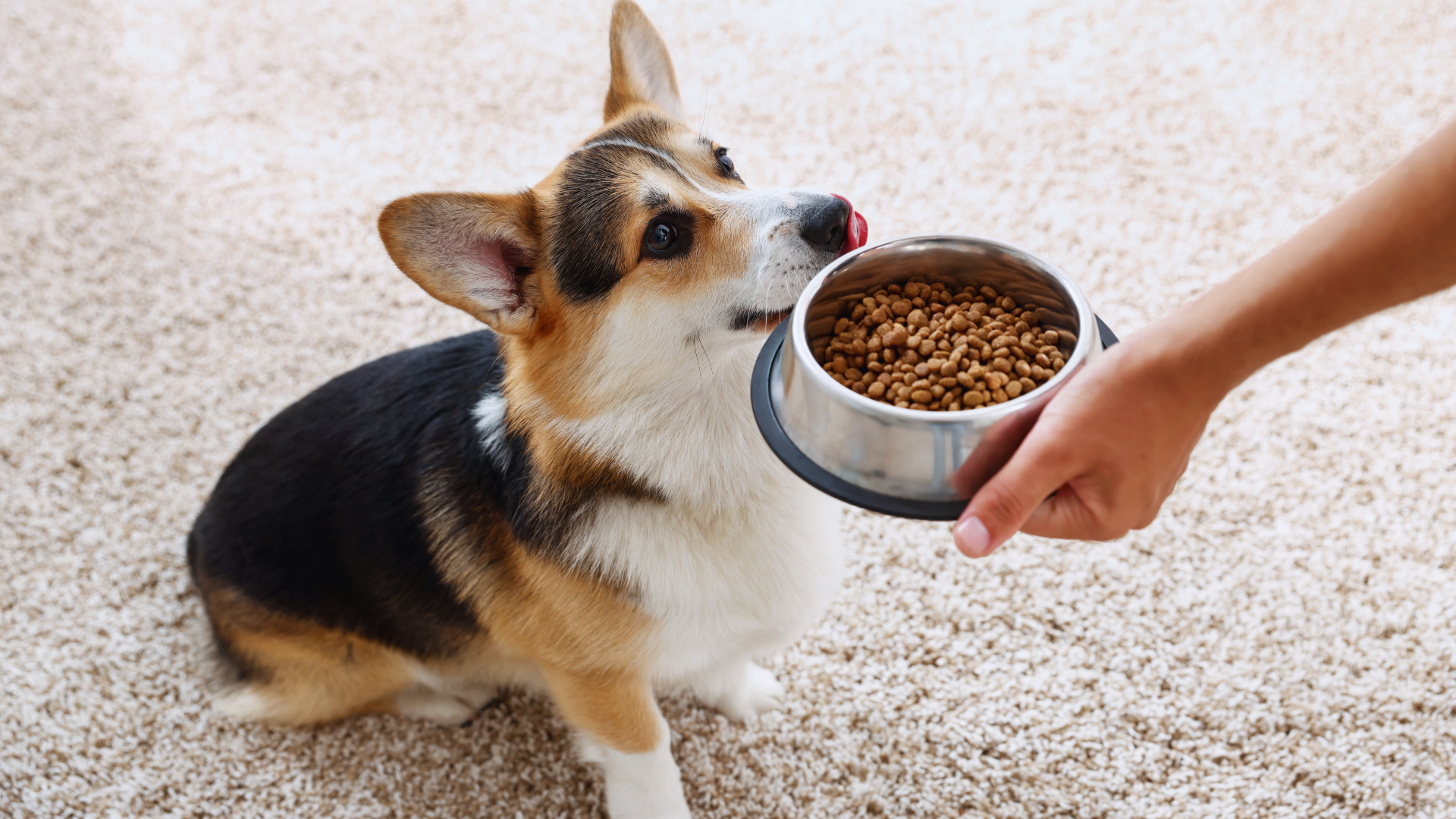
Daily healthy habits are essential to keep pets happy and thriving. Regular exercise, balanced nutrition, and consistent grooming form the foundation of good pet care. Providing fresh water, a clean living environment, and routine vet check-ups are simple but critical habits to maintain your pet’s health.
Pet owners who create a structured daily routine help prevent common health issues and behaviour problems. Small actions like brushing teeth, monitoring weight, and offering mentally stimulating activities improve quality of life. These habits support not only physical wellness but also emotional well-being.
The Importance of Daily Healthy Habits
Consistent daily care helps maintain a pet’s physical health and emotional balance. Small, regular actions can prevent many common issues and support a pet’s quality of life.
Benefits of Routine Care
Routine care provides stability and predictability, which reduces stress for pets. Practices like daily feeding schedules, regular exercise, and grooming keep pets physically fit and mentally engaged.
Daily brushing, for example, prevents matting and reduces shedding, promoting skin health. Regular walks help maintain optimal weight and strengthen muscles. Checking teeth and ears prevents infections before they become serious.
Structured routines also make it easier to notice changes in behaviour or health early. This early detection can lead to faster treatment and fewer complications.
Long-Term Impact on Pet Well-being
Healthy daily habits contribute to longer lifespans and better overall health. Regular exercise supports cardiovascular function and joint health, reducing risks of obesity and arthritis.
Balanced nutrition tailored to age and breed improves immune response and energy levels. Proper hygiene lowers the incidence of infections, while mental stimulation decreases anxiety and destructive behaviour.
Pets accustomed to routine are often calmer and more adaptable. This translates to stronger bonds with owners and a safer, more fulfilling environment over time.
Balanced Nutrition for Pets
Providing pets with a well-rounded diet supports their health, energy, and longevity. Paying attention to food type, timing, and amount is crucial for preventing nutritional imbalances and related health issues.
Selecting the Right Food
Choose pet food based on species, age, size, and health status. For dogs and cats, commercial foods labelled “complete and balanced” by AAFCO meet minimum nutrient standards.
Look for formulas tailored to life stages: puppy, adult, or senior. Special diets address specific needs, such as weight management or allergies. Avoid foods with excessive fillers or artificial additives.
Wet, dry, or raw diets have pros and cons. Dry food aids dental health, while wet food increases hydration. Always check ingredient lists and consult a veterinarian when switching foods.
Establishing Feeding Schedules
Set consistent feeding times that suit your pet’s metabolism. Puppies and kittens usually need 3-4 meals a day, while adults thrive on 1-2 meals.
Regular schedules help regulate digestion and minimise begging behaviour. Avoid free-feeding unless advised by a vet for specific conditions. Feeding times also aid in monitoring appetite and health changes early.
Adjust schedules for medical conditions or activity levels. Keep water available at all times, as hydration supports nutrient absorption and overall wellness.
Portion Control
Overfeeding leads to obesity, a major health risk for pets. Use feeding guidelines on packaging as starting points, but tailor portions based on activity, breed, and metabolism.
Measure food with a standard cup or scale for accuracy. Monitor your pet’s body condition monthly using weight and physical cues like rib visibility and waist shape.
Adjust portions gradually to maintain ideal weight. If unsure, consult your veterinarian for personalised portion plans. Treats should not exceed 10% of daily caloric intake to avoid imbalances.
Providing Fresh Water Daily
Fresh water is essential for pets’ health. It supports digestion, regulates body temperature, and helps remove toxins.
Water should be changed at least once a day. Bowls can accumulate bacteria and debris quickly, so routine cleaning is necessary.
Pets may prefer different types of water containers. Consider options such as:
- Ceramic bowls: Heavy and stable, less likely to tip.
- Stainless steel bowls: Durable and easy to clean.
- Water fountains: Provide a continuous flow, encourage drinking.
Always place water bowls in accessible, quiet locations. Avoid direct sunlight to keep water cool and reduce bacterial growth.
Signs of dehydration in pets include lethargy, dry gums, and loss of appetite. Increasing water intake is critical, especially during hot weather or after exercise.
| Tip | Reason |
| Refill water daily | Prevents bacteria and maintains freshness |
| Clean bowls regularly | Reduces risk of illness |
| Monitor intake | Detects dehydration or health issues early |
Daily Exercise and Physical Activity
Daily exercise is essential for pets to maintain their physical health and mental well-being. The type and amount of activity should match each pet’s specific needs and environment. Both indoor and outdoor options can be effective when chosen appropriately.
Tailoring Activity to Your Pet’s Needs
Exercise routines depend on factors like age, breed, health, and energy levels. For example, active dog breeds like Border Collies require more intense activities such as running, fetch, or agility training, while smaller or older dogs may benefit from shorter, gentler walks.
Cats generally need interactive playtime with toys mimicking prey to stay agile. Pets with health issues or limited mobility require low-impact exercises, such as controlled walking or slow swimming sessions. Monitoring your pet’s response helps avoid overexertion or injury.
Indoor and Outdoor Exercise Options
Outdoor activities provide fresh air and varied terrain, which can enhance physical fitness. Common outdoor exercises include walking, running, swimming, and playing fetch. Always consider local weather and safety conditions to prevent overheating or injury.
Indoor exercises can include structured play with toys, obedience training, or obstacle courses using household items. For cats, laser pointers or feather wands stimulate hunting instincts. Establish a consistent schedule to ensure daily activity, regardless of outdoor conditions.
Mental Stimulation and Enrichment
Providing mental challenges and engagement boosts pets’ overall well-being and prevents boredom. Regular activities encourage problem-solving and active participation, contributing to a healthier, happier pet.
Interactive Play and Toys
Interactive play promotes cognitive activity and strengthens the bond between pet and owner. Toys like treat-dispensing puzzles, laser pointers (for cats), or tug ropes (for dogs) engage pets by requiring them to think and move.
Rotate toys regularly to maintain interest and introduce new challenges. For example, complex puzzle feeders force pets to use their memory and dexterity to access food, stimulating their minds during mealtime.
Play sessions should last 10-20 minutes daily to fit into routines without causing exhaustion. Watching pets learn a new toy or game can highlight their unique preferences and intelligence.
Training and Problem-Solving Activities
Incorporating training tasks into daily life sharpens mental skills and enhances obedience. Basic commands like “sit” and “stay” build a foundation, while advanced tasks like scent tracking or agility courses challenge reasoning.
Use positive reinforcement methods, such as treats or praise, to encourage engagement during training. Short, consistent sessions (5-10 minutes) prevent frustration and maintain focus.
Problem-solving games such as hiding toys or food require pets to use their senses and memory, reducing stress and excess energy. These exercises also provide mental variety beyond physical exercise.
Regular Grooming and Hygiene
Maintaining your pet’s grooming and hygiene requires consistent attention to their coat and teeth. Proper care prevents common issues like matting, skin infections, and dental disease.
Brushing and Coat Care
Brushing your pet’s coat removes dirt and loose hair and prevents matting. The frequency depends on the breed and hair type; long-haired breeds often need daily brushing, while short-haired pets may require it weekly. Use a brush suited for their fur—slicker brushes for thick coats, bristle brushes for short fur.
Regular grooming also allows early detection of skin problems such as parasites or irritation. Bathing should follow a schedule recommended by your vet, using pet-safe shampoo. Overbathing can dry the skin, so adjust frequency based on activity and skin condition.
Dental Health Practices
Dental care is essential to prevent plaque buildup, bad breath, and periodontal disease. Brushing your pet’s teeth daily with an animal-formulated toothpaste is ideal, but even several times a week helps. Use a soft-bristled toothbrush or finger brush designed for pets.
Regular dental check-ups with a veterinarian can identify early problems. Dental chews and special diets may support oral hygiene, but should not replace brushing. Watch for signs like drooling, reluctance to eat, or swollen gums, which indicate a need for professional care.
Monitoring Health and Behaviour
Understanding changes in your pet’s health and behaviour requires consistent attention to daily patterns and physical cues. This vigilance helps identify potential issues early and supports timely intervention.
Recognising Early Signs of Illness
Pets often hide discomfort, making subtle signs critical to notice. Common early symptoms include:
- Changes in appetite or drinking habits
- Lethargy or unusual tiredness
- Vomiting or diarrhoea
- Coughing, sneezing, or nasal discharge
- Altered grooming behaviour
Physical changes like swollen joints, unusual lumps, or skin irritations should also prompt attention. Behavioural shifts, such as increased aggression or withdrawal, can indicate pain or distress.
Routine checks help detect these signs before they worsen. Prompt veterinary consultation is essential when symptoms persist longer than 24-48 hours or escalate.
Daily Observation Techniques
Establish a consistent routine for observing your pet daily. Check key areas like eyes, ears, mouth, and paws for abnormalities. Note any changes in posture, movement, or energy levels.
Use tools such as a health journal or app to track eating, drinking, elimination, and sleep patterns. Visual records can provide valuable history for the veterinarian.
Pay attention to your pet’s breathing rate and body temperature if possible. Regular interaction also helps identify subtle mood or behaviour changes early, which are often the first indicators of health problems.
Building a Consistent Routine
Creating a regular daily routine is crucial for maintaining your pet’s health. Pets thrive on predictability, which helps reduce stress and promotes behavioural stability.
Start by setting specific times for feeding, exercise, and bathroom breaks. Consistency makes it easier for pets to learn and adapt to expectations.
Use this example schedule as a guide:
| Time | Activity |
| 7:00 AM | Morning walk |
| 8:00 AM | Breakfast |
| 12:00 PM | Playtime |
| 6:00 PM | Dinner |
| 9:00 PM | Short walk |
Stick to similar times each day to encourage routine. This also helps monitor health changes, like appetite or energy shifts.
Include daily grooming and training sessions if appropriate. Short, regular sessions are better than infrequent, long ones.
Be patient when establishing routines. It may take weeks for pets to adjust, but consistency leads to better long-term habits.
Positive Social Interaction
Positive social interaction supports pets’ emotional well-being and helps prevent behavioural issues. It involves careful introduction to other animals and consistent, meaningful engagement with household members.
Safe Socialisation with Other Pets
Introducing pets to others requires patience and control. Start with short, supervised meetings in neutral spaces to reduce territorial behaviour. Watch for signs of stress, like growling or stiff body language and separate animals immediately if these occur.
Gradually increase interaction time as comfort grows. Use treats and calm praise to reinforce good behaviour during meetings. Avoid forcing aggression-prone pets into contact.
Monitor ongoing interactions to identify potential conflicts early. Regular social exposure, when done safely, improves pets’ confidence and reduces fear-based reactions.
Bonding with Family Members
Consistent interaction strengthens bonds with pets. Daily activities like grooming, playing, and training build trust and understanding. Use positive reinforcement to encourage cooperation and reduce anxiety.
Spend quality time without distractions. Eye contact, gentle petting, and vocal communication contribute to deeper emotional connections.
Assign family roles for care tasks to ensure pets recognise and bond with each member. This distributes responsibility and helps pets feel secure in their environment.
Providing a Safe and Comfortable Living Environment
A safe living space is essential for pets to thrive. It reduces stress and prevents injuries or illnesses caused by hazards.
Remove or securely store toxic plants, chemicals, and small objects that pets might swallow. Electrical cords should be kept out of reach or covered.
Temperature control is important. Pets need a comfortable and draft-free area with proper ventilation, ideally kept between 65-75°F (18-24°C).
Provide a designated resting spot with soft bedding suited to your pet’s size. This helps them feel secure and supports joint health.
Ensure that your home has adequate lighting for both activity and rest periods. Avoid sudden loud noises or bright lights that may cause stress.
| Key Elements | Tips |
| Safety | Remove hazards; secure cords |
| Comfort | Soft bedding; quiet resting area |
| Environment | Stable temperature; fresh air |
| Monitoring | Check regularly for damage or risks |
A clutter-free area also makes it easier for pets to move and exercise. This helps maintain physical health and mental well-being.
Routine cleaning of bedding and living areas minimises bacteria and allergens. This supports overall hygiene and reduces the risk of infections.