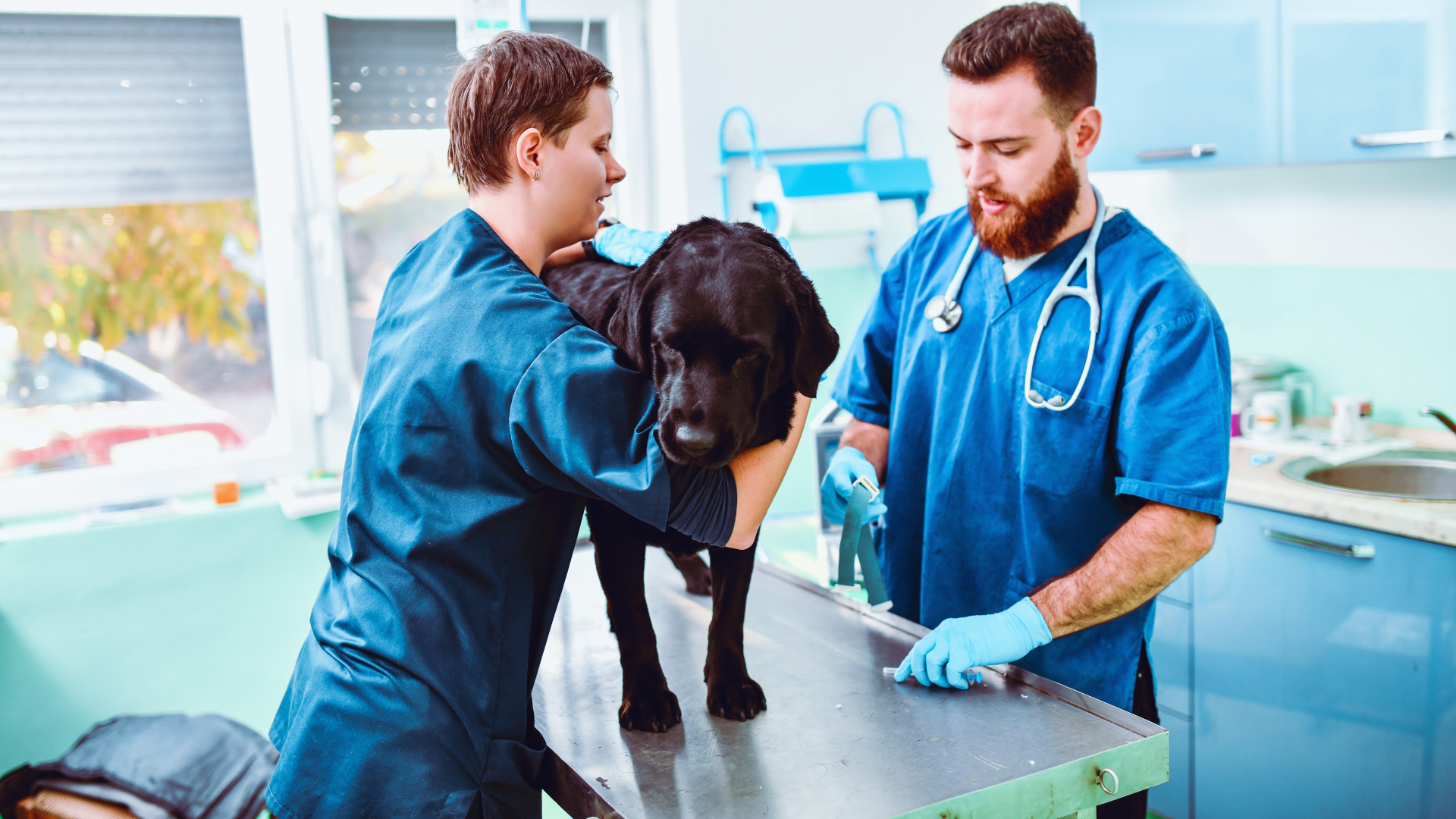
Caring for a pet requires consistent attention to their basic needs like food, water, exercise, and health care. The key to successful pet care is understanding and meeting these essential requirements daily.
Every pet species has specific needs, but common practices such as regular feeding schedules, safe environments, and routine vet visits apply to all. This guide will walk you through the practical steps to ensure your new pet stays healthy and happy.
Knowing how to care for your pet properly reduces stress for both of you and builds a trusting relationship. By following straightforward advice, you can confidently provide the care your pet deserves.
Choosing the Right Pet
Selecting a pet requires careful thought about daily routines, home environment, and long-term commitment. Important factors include time availability, space, and the specific requirements of different animals. Considering these points helps match a pet to your situation effectively.
Assessing Your Lifestyle
Evaluate how much time you can dedicate to pet care each day. High-energy dogs, for example, need daily walks and playtime, while fish require less active care. Your work schedule, social life, and travel frequency impact this decision.
Consider your living space, too. Apartments may limit the size or type of pet. Pets like cats or small rodents can adapt well to smaller areas, whereas large dogs generally need more room.
Allergies and household members’ preferences also matter. Ensure no one is allergic and that everyone agrees on the pet type.
Understanding Pet Needs
Different pets have distinct physical and emotional needs. Dogs require training, exercise, and social interaction. Cats need litter boxes and stimulation, but may be more independent.
Small animals like hamsters or rabbits need proper cages and regular cleaning. Aquatic pets require filtered tanks and temperature control.
Nutritional requirements vary widely, so research diet specifics before getting a pet. Some pets also need regular grooming or veterinary care, which affects both time and budget.
Adopting vs Buying
Adopting from shelters can save lives and reduce overpopulation. Shelters often provide initial vaccinations and basic health care. You can find various breeds and mixed breeds this way.
Buying from breeders may offer pets with known lineage and health history. Choose reputable breeders who prioritise animal welfare.
Remember to verify the legitimacy of breeders to avoid supporting unethical practices. Adoption fees are generally lower than purchasing costs.
Preparing Your Home
Before bringing a pet home, pet-proof your living space. Remove toxic plants, secure trash bins, and store hazardous substances out of reach. Make sure windows and doors close securely.
Set up a designated area with bedding, food, and water bowls. For dogs, install gates or create a safe zone to help with adjustment.
Stock up on necessary supplies like toys, grooming tools, and cleaning products. Preparing in advance minimises stress for both you and the pet.
Basic Pet Care Essentials
Proper pet care involves providing consistent nutrition, a safe living space, and enough physical activity. These factors directly affect your pet’s health, behaviour, and overall well-being.
Nutrition and Feeding
Balanced nutrition is the foundation of good health for pets. Different animals require specific diets tailored to their species, age, and activity levels. For example, dogs benefit from a diet rich in proteins and fats, while cats need higher protein and taurine levels.
Feeding schedules should be regular and portion-controlled to avoid obesity. Avoid giving pets human food that contains toxic ingredients like chocolate, onions, or grapes. Always provide fresh water and monitor your pet’s eating habits for any sudden changes, which could indicate health issues.
Safe and Comfortable Housing
Housing must protect pets from extreme temperatures, predators, and hazards. For indoor pets, well-ventilated spaces with cosy bedding work best. Outdoor animals need insulated shelters, raised from the ground to stay dry and warm.
Cleanliness is vital; cages or living areas should be cleaned frequently to prevent infections. Also, ensure your pet has a quiet space to rest and access to natural light. Avoid overcrowding and provide appropriate enrichment to reduce stress.
Exercise Requirements
Regular exercise is essential to maintain a pet’s physical and mental health. Dogs generally need daily walks and playtime to burn energy and stay fit. Cats benefit from interactive toys and climbing structures to encourage activity.
Small pets like rabbits and guinea pigs require space to hop or run freely. Exercise prevents obesity and related diseases, while also reducing destructive behaviour caused by boredom. Adjust exercise routines based on your pet’s age, breed, and health condition.
Health and Wellness
Maintaining your pet’s health requires regular monitoring and timely care. Routine actions like vet visits, vaccinations, and observing behaviour changes are essential to keep your pet healthy.
Preventive Veterinary Care
Regular veterinary check-ups allow early detection of health issues before symptoms appear. Most pets benefit from an annual exam, but older or high-risk animals may need more frequent visits.
A vet will examine your pet’s weight, teeth, skin, and overall condition. Preventive care also includes dental cleanings and nutritional advice tailored to your pet’s age and breed.
Keeping detailed health records helps track changes and treatments over time. Early intervention significantly improves treatment success and quality of life for your pet.
Vaccinations and Parasite Control
Vaccinations protect pets from serious infectious diseases like rabies, distemper, and parvovirus. Following the recommended vaccination schedule is critical, especially for puppies and kittens.
Parasite control is equally important. Fleas, ticks, heartworms, and intestinal worms can cause severe illness. Use veterinarian-approved preventives and maintain a clean environment.
Key vaccinations and parasite preventives:
| Type | Purpose | Frequency |
| Rabies | Prevents fatal disease | Every 1-3 years, per law |
| Distemper/Parvo | Viral infections in dogs | Initial series + yearly |
| Feline Leukemia | Prevents feline virus | Based on risk |
| Flea/Tick meds | External parasite control | Monthly or per product |
| Heartworm meds | Prevents heartworm disease | Monthly |
Recognising Signs of Illness
Early recognition of illness can prevent severe health problems. Watch for changes in appetite, behaviour, energy, or bathroom habits.
Common warning signs include vomiting, diarrhoea, coughing, sneezing, limping, or excessive scratching. Also, monitor for swelling, lumps, or unusual discharges.
If your pet shows any of these symptoms, contact a veterinarian promptly. Timely care reduces the risk of complications and improves recovery chances.
Grooming and Hygiene
Maintaining a pet’s cleanliness involves regular care routines that keep them healthy and comfortable. Proper grooming reduces the risk of skin infections and promotes overall well-being.
Bathing and Brushing
Bathing frequency depends on the pet’s species, breed, and lifestyle. Dogs generally need baths every 4-6 weeks, while cats require less frequent washing, often just spot cleaning. Use a shampoo formulated for pets to avoid skin irritation.
Brushing removes loose fur, prevents mats, and distributes natural oils. For short-haired dogs, brushing once a week is usually enough. Long-haired breeds may require daily brushing. Cats benefit from brushing at least twice a week to reduce shedding and hairballs.
Use the correct tools: slicker brushes for tangles, bristle brushes for general grooming, and combs for fine detailing. Always brush gently, starting at the head and moving toward the tail.
Nail and Dental Care
Nail trimming is essential to prevent overgrowth, splitting, and injury. Most dogs and cats need nail cuts every 3-4 weeks. Use a pet-specific nail clipper and avoid cutting the quick, the sensitive pink part inside the nail.
Dental care reduces tartar buildup and prevents gum disease. Daily brushing is ideal, but you can start with a few times a week using a pet toothbrush and toothpaste. Dental chews and toys also support oral hygiene, but don’t replace brushing.
Regular vet checkups can identify and treat dental problems early. Monitoring breath odour and the appearance of gums can help catch issues before they worsen.
Training and Socialisation
Effective pet training requires clear communication and consistency. Socialisation helps pets adapt to new environments, people, and other animals, reducing fear and aggression.
Basic Obedience Training
Start with simple commands like “sit,” “stay,” “come,” and “leave it.” Use short, consistent sessions of 5-10 minutes daily to maintain your pet’s attention. Timing is crucial: reward immediately after correct behaviour to reinforce learning. Avoid punishment, which can confuse pets or cause fear.
Consistency in commands and signals across all family members is vital. Use clear, firm verbal cues combined with hand signals. Practice in quiet areas first, then gradually introduce distractions to strengthen obedience.
Positive Reinforcement Techniques
Positive reinforcement involves rewarding desired behaviours with treats, praise, or playtime immediately. This encourages pets to repeat good behaviours. Avoid using food as the sole reward; combine praise and toys to maintain motivation.
Timing and consistency matter. Deliver rewards within seconds after the correct behaviour. Ignore undesired behaviours rather than punishing, to prevent anxiety. Gradually reduce rewards as the pet masters commands to encourage lasting habits.
Socialising With People and Other Pets
Introduce your pet to different people, environments, and animals early. Start with calm, controlled settings to build confidence. Use treats and praise when your pet behaves appropriately around new stimuli.
Pay attention to your pet’s body language. If signs of stress appear, remove your pet from the situation calmly. Regular, positive social encounters help reduce fear-related behaviour and improve adaptability.
Safety and Environmental Enrichment
Creating a safe space and providing mental engagement are essential for a pet’s well-being. Preventing hazards and offering stimulating activities can improve behaviour and reduce stress.
Pet-Proofing Your Home
Identify and remove toxic plants, chemicals, and small objects that pets might ingest. Secure electrical cords by using cord protectors or hiding wires behind furniture.
Lock cabinets containing cleaning supplies, medications, and human food that could harm your pet. Check for gaps in doors or fences to prevent escapes.
Be cautious with sharp objects and fragile items on low surfaces. Install baby gates if needed to restrict access to unsafe areas like kitchens or staircases.
Mental Stimulation and Toys
Provide a variety of toys suited to your pet’s size and chewing habits. Rotate toys regularly to maintain interest and avoid boredom.
Interactive toys like puzzle feeders challenge your pet and encourage problem-solving skills. For dogs, items like Kongs filled with treats can prolong engagement.
Cats benefit from climbing structures, scratching posts, and laser pointers. Frequent play sessions help prevent destructive behaviour and promote exercise.
Monitor toy condition and replace worn or broken items to avoid choking hazards or ingestion of small parts.
Travelling and Moving With Pets
When travelling or relocating with pets, preparation and attention to their needs reduce stress and ensure safety. Proper gear, clear identification, and gradual acclimation to new surroundings are essential.
Travel Safety Tips
Use a secure, well-ventilated carrier or a pet seatbelt harness during car trips to protect your pet from injury. Never let pets ride in the front seat with airbags active, as these pose serious hazards.
Bring essential items like food, water, a leash, waste bags, and any medications. Frequent stops every 2-3 hours help pets stretch and relieve themselves. Avoid feeding large meals right before travel to reduce nausea.
Check pet policies for airlines or accommodations in advance. Ensure your pet has updated ID tags and a microchip with current contact information to prevent loss.
Adjusting to New Environments
Allow your pet to explore the new home gradually under supervision to prevent escape or injury. Set up a familiar area with toys, bedding, and feeding stations to create a sense of security.
Maintain regular feeding, walking, and playtime schedules to help your pet settle. Monitor behaviour for signs of stress such as hiding, aggression, or loss of appetite, and consult a vet if needed.
Introduce new surroundings slowly, including outdoor spaces and neighbours, to build comfort and confidence over time.
Understanding Pet Behaviour
Pet behaviour is a key aspect of responsible care. Animals communicate their needs, emotions, and discomfort through actions rather than words. Recognising these signals helps build trust and ensures their well-being.
Different species exhibit different behaviours. For example, dogs may wag their tails to show happiness, but can also growl when feeling threatened. Cats use body language, like purring to indicate contentment or hissing as a warning.
Some common signs to watch for include:
| Behavior | Meaning |
| Tail wagging | Friendly or excited |
| Growling | Warning or fear |
| Purring | Contentment |
| Hissing | Fear or aggression |
| Scratching | Marking territory or stress |
Routine observation helps identify changes, which may signal health or emotional issues. Consistency in interaction supports positive behaviour.
Training and socialisation play important roles. Positive reinforcement encourages desirable behaviours, while understanding limits prevents stress. Patience is essential, especially with new pets.
Each animal has a unique personality shaped by breed, environment, and past experiences. Getting to know these individual traits enhances care quality and strengthens the human-animal bond.
Building a Long-Term Bond With Your Pet
Building a strong bond with your pet requires consistent effort and understanding. Regular interaction helps your pet feel secure and valued. This connection improves their overall behaviour and well-being.
Spend quality time daily with your pet through play, training, or simple companionship. Be patient; animals respond well to calm and gentle communication. This builds trust and respect over time.
Observe your pet’s body language to better understand their feelings. Signs like tail wagging, purring, or relaxed posture indicate comfort. Conversely, growling or avoidance signals stress or discomfort.
Key Components of Bonding:
| Action | Purpose | Tips |
| Consistent Care | Establishes routine and safety | Regular feeding and walks |
| Positive Training | Reinforces good behaviour | Use treats and praise |
| Physical Attention | Shows affection | Petting, grooming |
Respect your pet’s boundaries. Allow them space when needed, but remain accessible for affection and interaction. This balance supports a healthy relationship.
Building lasting trust takes time, especially with new or rescue pets. Stay attentive to their individual needs and preferences throughout their life.